Cat Clinic at Cherry Hill

  • Home
  • About
    • Our Practice
    • Our Team
    • Our Policies
  • Medical Services
  • Testimonials
  • Blog
  • Contact

Why Your Cat Is Excessively Licking: Causes, Concerns, and When to Act

02.20.26

cat is excessively licking

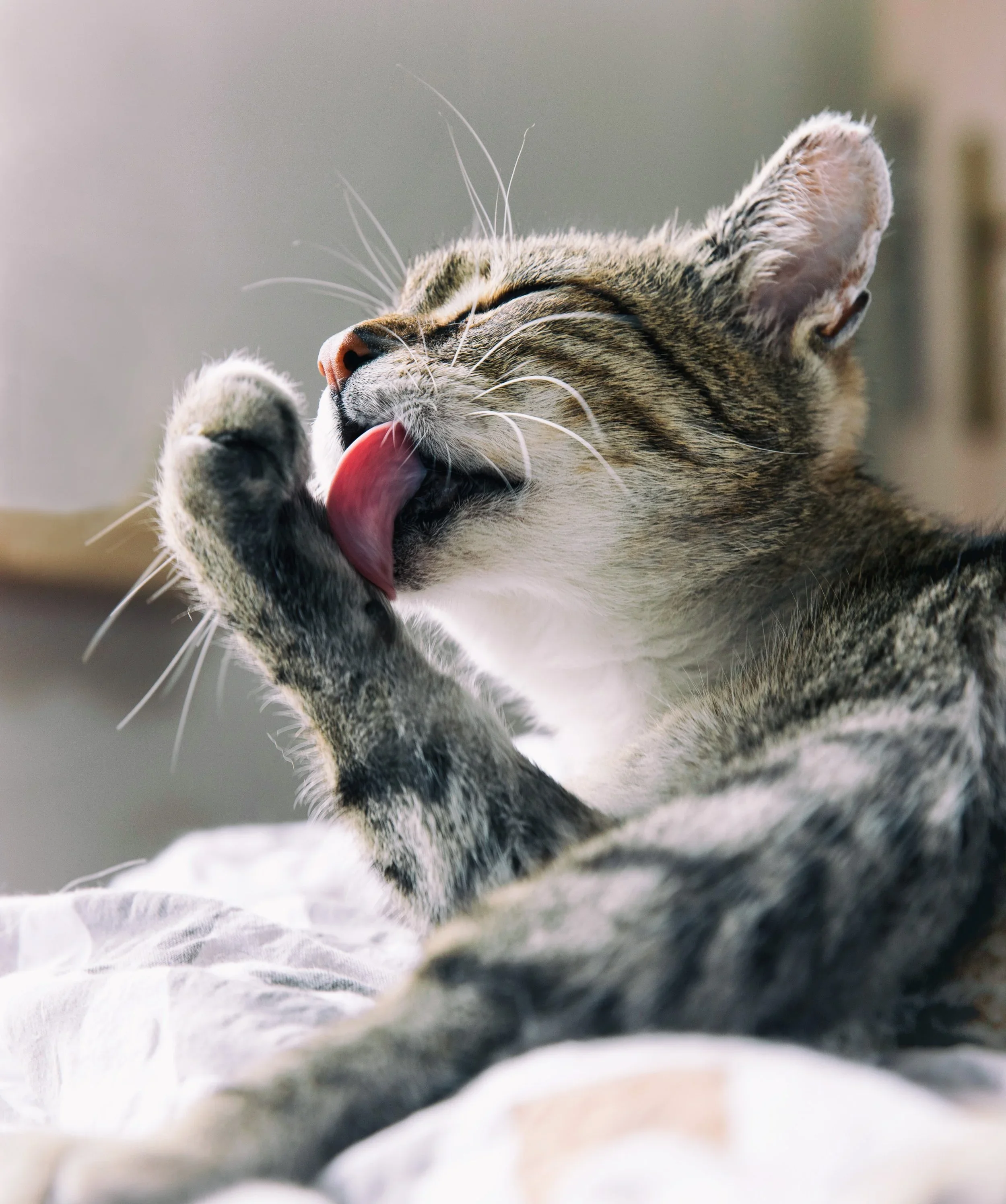
Cats are naturally meticulous groomers. Licking helps them stay clean, regulate body temperature, and even self-soothe. But when a cat is excessively licking, it may signal an underlying medical or behavioral issue that needs attention.

Understanding the difference between normal grooming and excessive licking is essential for protecting your cat’s health.

What Counts as Excessive Licking?

While grooming is normal, excessive licking may look like:

  • Bald patches or thinning fur
  • Red, irritated, or inflamed skin
  • Open sores or scabs
  • Frequent licking of one specific area
  • Increased grooming that disrupts eating, sleeping, or play

If you notice these signs, it’s time to investigate further.

Common Medical Causes for Why a Cat is Excessively Licking

Excessive licking is often linked to physical discomfort. Some of the most common medical reasons include:

Allergies

Cats can develop allergies to food, environmental triggers (like pollen or dust), or fleas. Even strictly indoor cats can experience allergic reactions that cause itchy skin and overgrooming.

Fleas and Parasites

A single flea bite can cause intense irritation, especially in cats with flea allergy dermatitis. Parasites such as mites may also contribute to persistent itching.

Skin Infections

Bacterial or fungal infections can make the skin painful or itchy, prompting repeated licking.

Pain or Arthritis

Cats sometimes lick areas that are painful, including joints affected by arthritis. What looks like a skin issue may actually be joint discomfort.

Stress and Anxiety

Behavioral overgrooming can develop in response to stress, changes in the home, or environmental triggers. Cats may lick to self-soothe, much like nail-biting in humans.

Why Prompt Evaluation Matters

When a cat is excessively licking, the skin can quickly become damaged. Open wounds increase the risk of infection and may lead to chronic skin conditions if left untreated. Additionally, if the cause is pain or an underlying illness, early diagnosis significantly improves outcomes.

A veterinary examination may include:

  • A thorough skin and coat evaluation
  • Flea and parasite assessment
  • Allergy testing or dietary trials
  • Bloodwork to rule out systemic conditions
  • Discussion of recent lifestyle changes

Accurate diagnosis ensures that treatment targets the root cause—not just the symptom.

Treatment Options When Your Cat is Excessively Licking

Treatment depends on the underlying issue and may include:

  • Prescription medications to relieve itching or inflammation
  • Flea prevention
  • Special diets for food sensitivities
  • Antibiotics or antifungal therapy
  • Pain management for arthritis
  • Environmental enrichment and stress reduction strategies

With the right approach, most cats experience significant improvement.

Compassionate Feline Care in Cherry Hill

At The Cat Clinic at Cherry Hill, we understand how concerning it can be when your cat is excessively licking. Because we specialize exclusively in feline medicine, we are experienced in diagnosing and treating the unique skin, allergy, and behavioral conditions that affect cats.If you’ve noticed bald spots, skin irritation, or persistent grooming, don’t wait. Our team provides thorough evaluations and customized treatment plans designed specifically for cats. Contact The Cat Clinic at Cherry Hill today to schedule an appointment and help your feline companion feel comfortable and healthy again.

Cat Dental Health Tips: Protecting Your Cat’s Smile and Overall Health

01.16.26

cat dental health tips

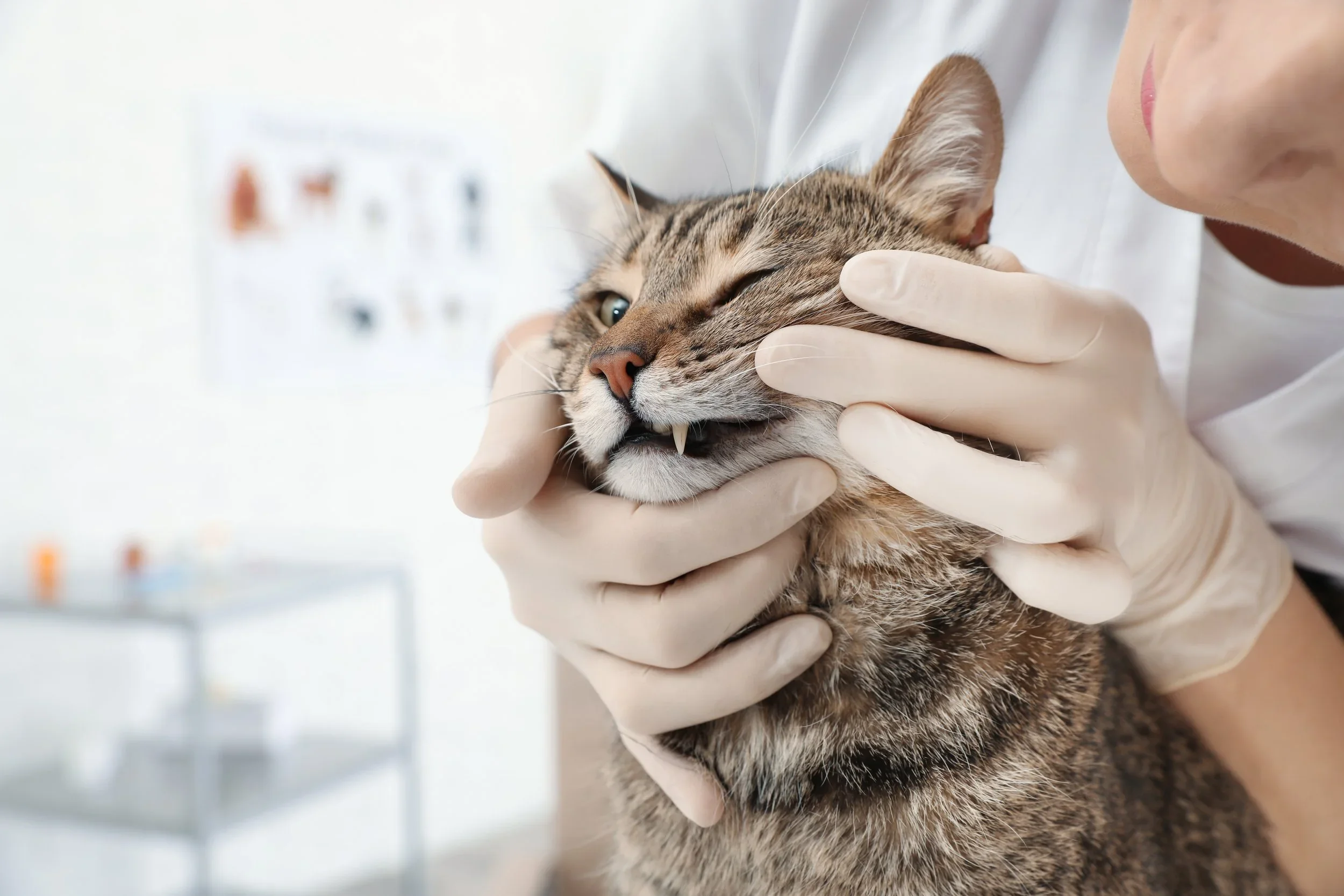
Dental health is one of the most overlooked aspects of feline care, yet it plays a vital role in your cat’s overall well-being. Many cats begin to develop dental disease as early as three years of age, often without obvious symptoms. Following proper cat dental health tips can help prevent pain, infection, and serious health complications while keeping your feline companion comfortable and healthy.

Why Dental Health Matters for Cats

Dental disease occurs when plaque and tartar build up on the teeth, leading to gingivitis, periodontal disease, and tooth loss. If left untreated, bacteria from the mouth can enter the bloodstream and affect major organs such as the heart, liver, and kidneys.

Common signs of dental problems in cats include:

  • Bad breath
  • Red or bleeding gums
  • Difficulty eating or dropping food
  • Pawing at the mouth
  • Behavioral changes or irritability

Because cats often hide pain, regular dental care is essential.

Daily and At-Home Cat Dental Health Tips

One of the best ways to support dental health is through consistent at-home care. Helpful tips include:

  • Brush your cat’s teeth using a feline-safe toothbrush and toothpaste. Even brushing a few times a week can reduce plaque buildup.
  • Use dental treats or diets designed to promote oral health.
  • Offer dental toys that encourage chewing and help clean teeth naturally.
  • Start early so your cat becomes accustomed to dental routines while young.

Never use human toothpaste, as it can be toxic to cats.

The Importance of Professional Dental Exams

While home care is important, professional dental evaluations are critical for detecting problems below the gum line. During a veterinary dental exam, your veterinarian will assess:

  • Tooth and gum health
  • Signs of infection or tooth resorption
  • Jaw and oral tissues

Professional cleanings performed under anesthesia allow for thorough scaling, polishing, and dental X-rays, which are essential for diagnosing hidden issues.

How Often Should Cats Receive Dental Care?

Most cats benefit from annual dental evaluations, though some may require more frequent cleanings depending on genetics, diet, and age. Senior cats are especially prone to dental disease and benefit from close monitoring.

Expert Dental Care at The Cat Clinic at Cherry Hill

At The Cat Clinic at Cherry Hill, we understand that feline dental health requires specialized care. As a cat-only veterinary practice, we are experienced in providing gentle, effective dental treatments tailored to each cat’s needs. From routine dental exams to advanced cleanings and extractions, our team is committed to keeping your cat comfortable and healthy.

If you’re looking for expert guidance and trusted cat dental health tips, schedule a dental evaluation with The Cat Clinic at Cherry Hill today. Call us at (856) 662-2662 to book an appointment and protect your cat’s smile for years to come! For more information on cat health and behavior, visit our blog!

Cat Vaccinations in Cherry Hill NJ: Essential Protection for Your Feline Companion

12.18.25

Cat Vaccinations Cherry Hill NJ

Vaccinations play a critical role in keeping cats healthy throughout every stage of life. Whether you have a playful kitten or a senior cat, staying up to date on recommended vaccines helps prevent serious and potentially life-threatening diseases. If you’re searching for cat vaccinations in Cherry Hill NJ, understanding what vaccines your cat needs (and why they need them) can help you make confident, informed decisions about their care.

Why Cat Vaccinations Matter

Cats can be exposed to infectious diseases even if they live indoors. Viruses and bacteria can be carried into the home on shoes, clothing, or other pets. Vaccinations help strengthen your cat’s immune system so they can fight off illness before it becomes severe.

Key benefits of vaccinating your cat include:

  • Protection against highly contagious and deadly diseases
  • Reduced risk of disease transmission to other pets
  • Support for long-term health and longevity
  • Compliance with boarding, grooming, and travel requirements

Core and Lifestyle-Based Vaccines

Veterinarians typically divide feline vaccines into two categories: core vaccines and non-core (lifestyle-based) vaccines.

Core vaccines are recommended for nearly all cats and often include:

  • Feline panleukopenia (distemper)
  • Feline herpesvirus
  • Feline calicivirus
  • Rabies (required by law in many areas)

Non-core vaccines are recommended based on your cat’s lifestyle, environment, and risk factors. These may include protection against feline leukemia virus (FeLV) or other regionally relevant diseases. Your veterinarian will help determine which vaccines are appropriate for your cat.

Vaccination Schedules for Cats

Kittens typically begin vaccinations at around 6–8 weeks of age, followed by booster shots every few weeks until they are about 16 weeks old. Adult cats require regular booster vaccinations to maintain immunity, with schedules tailored to age, health status, and lifestyle.

Senior cats still benefit from vaccinations, though their needs may change over time. Regular wellness exams allow your veterinarian to adjust vaccine plans safely and appropriately.

Are Vaccinations Safe for Cats?

Modern feline vaccines are thoroughly tested for safety and effectiveness. Mild side effects, such as temporary soreness or low energy, may occur but are generally short-lived. Serious reactions are rare, especially when vaccines are administered by experienced veterinary professionals who understand feline-specific needs.

Expert Cat Vaccinations in Cherry Hill NJ

At The Cat Clinic at Cherry Hill, we specialize exclusively in feline care. Our team understands that cats are unique, and so are their medical needs. We provide customized vaccination plans based on your cat’s age, lifestyle, and health history, ensuring they receive the protection they need without unnecessary stress.

If you’re looking for trusted cat vaccinations in Cherry Hill NJ, our compassionate, feline-focused team is here to help. Contact The Cat Clinic at Cherry Hill today at (856) 662-2662 to schedule an appointment and give your cat the lifelong protection they deserve.

Tips for Traveling With Cats: How to Make the Journey Comfortable and Safe

11.20.25

tips for traveling with cats

Holidays are a time for visiting loved ones and spending time with family, but if you have a cat, you know between daycare, separation anxiety, or financials, it can be difficult to leave your furry friend behind. However, traveling with cats can be a challenge, especially if your feline companion prefers routine and quiet spaces. If you’re traveling with your cat this holiday season, preparation is key. With the right strategy, you can ensure a calm, safe, and stress-free experience for both you and your cat. Here are some expert tips for traveling with cats.

Start With Carrier Training

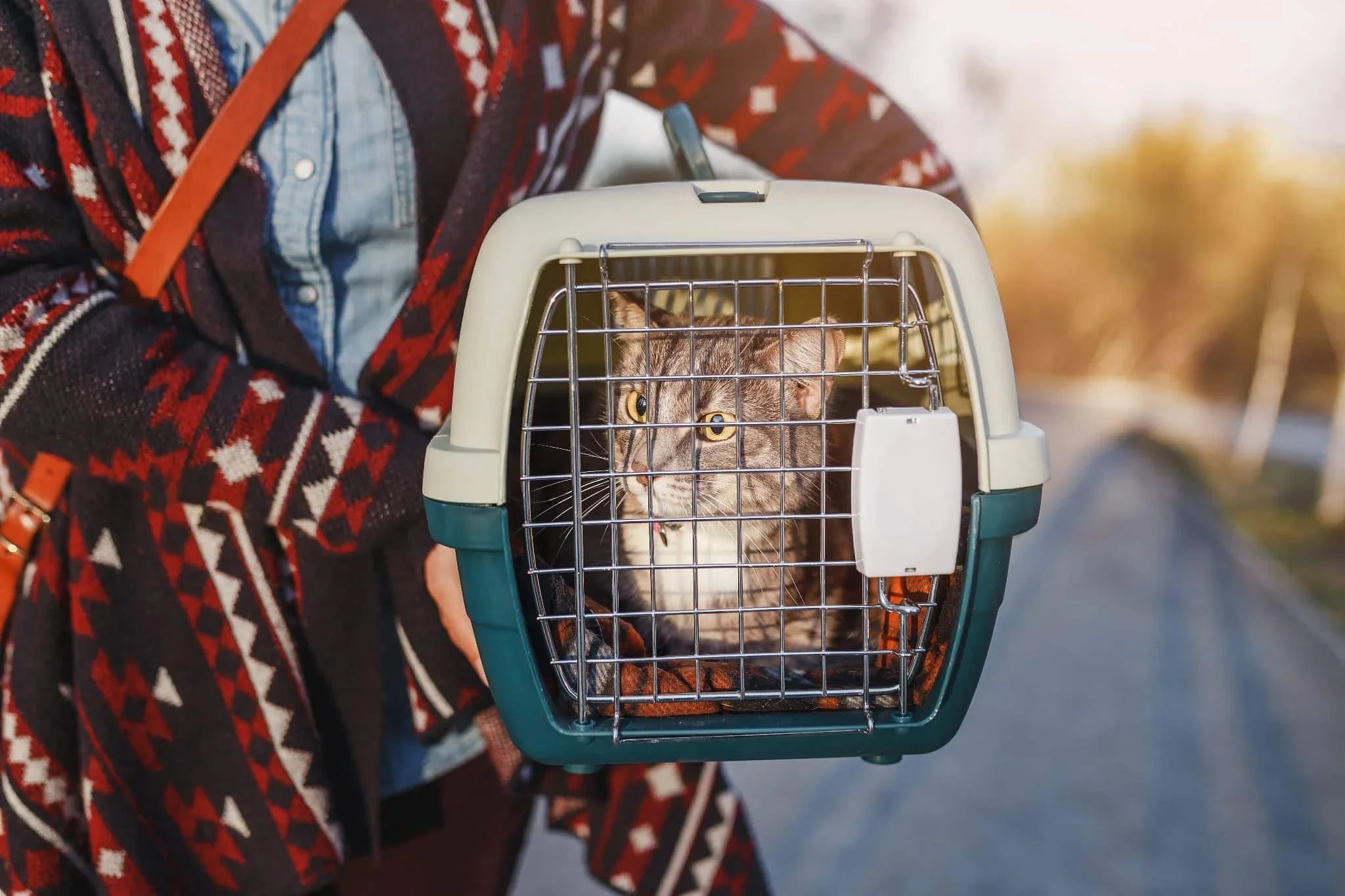
A comfortable, secure carrier is the most important part of traveling with your cat. Begin training days or weeks before the trip:

  • Leave the carrier open at home so your cat can explore it on their own.
  • Place blankets, toys, or treats inside to create a positive association.
  • Practice short “mock trips” around the house or in the car to help your cat adjust to movement and confinement.

A cat that feels safe in their carrier will travel more peacefully and experience far less stress.

Prepare Your Cat Before the Trip

A little preparation goes a long way. Make sure you:

  • Schedule a checkup before long trips, especially if your cat has existing medical concerns.
  • Update vaccinations and keep a copy of medical records handy.
  • Avoid feeding large meals right before travel, which can help prevent motion sickness.
  • Microchip your cat and ensure their ID tag is current, just in case.

Keep the Car Environment Calm

If you’re planning to drive somewhere with your cat, keep in mind your cat will need time to adjust to the car. Cats are highly sensitive to sound, movement, and changes in routine. To reduce anxiety during the drive:

  • Secure the carrier with a seatbelt to prevent sliding.
  • Keep the car temperature comfortable.
  • Play soft music or keep the environment quiet.
  • Never open the carrier while the car is moving or doors are open.

Some cats benefit from pheromone sprays or calming supplements. Ask your veterinarian if these may be helpful.

Plan for Breaks and Comfort

During longer trips:

  • Offer water during rest stops, especially in warm weather.
  • Bring familiar bedding to maintain a sense of security.
  • Never leave your cat unattended in a parked vehicle, even for a short time.

If you’re staying overnight, choose pet-friendly accommodations in advance and create a safe, contained space for your cat once you arrive.

Air Travel Considerations

If you need to fly with your cat, check airline requirements carefully. Most airlines allow cats in the cabin in an airline-approved carrier. Always confirm:

  • Carrier size and weight limits
  • Necessary health certificates
  • Check-in and security guidelines

Flying can be stressful for cats, so consult your veterinarian before booking your trip.

Trust the Cat Clinic at Cherry Hill for More Tips on Traveling with Cats

At The Cat Clinic at Cherry Hill, we know that every cat is unique, and so are their travel needs. Our feline-focused veterinarians can help you prepare for your trip with personalized advice, preventive care, and strategies to keep your cat calm and safe on the road or in the air. If you’re planning to travel with your cat this holiday, let us help make the journey smoother. Call us at (856) 662-2662 to schedule your pre-travel consultation today.

How to Give Cats Pills: A Guide for Stress-Free Medication

10.15.25

how to give cats pills

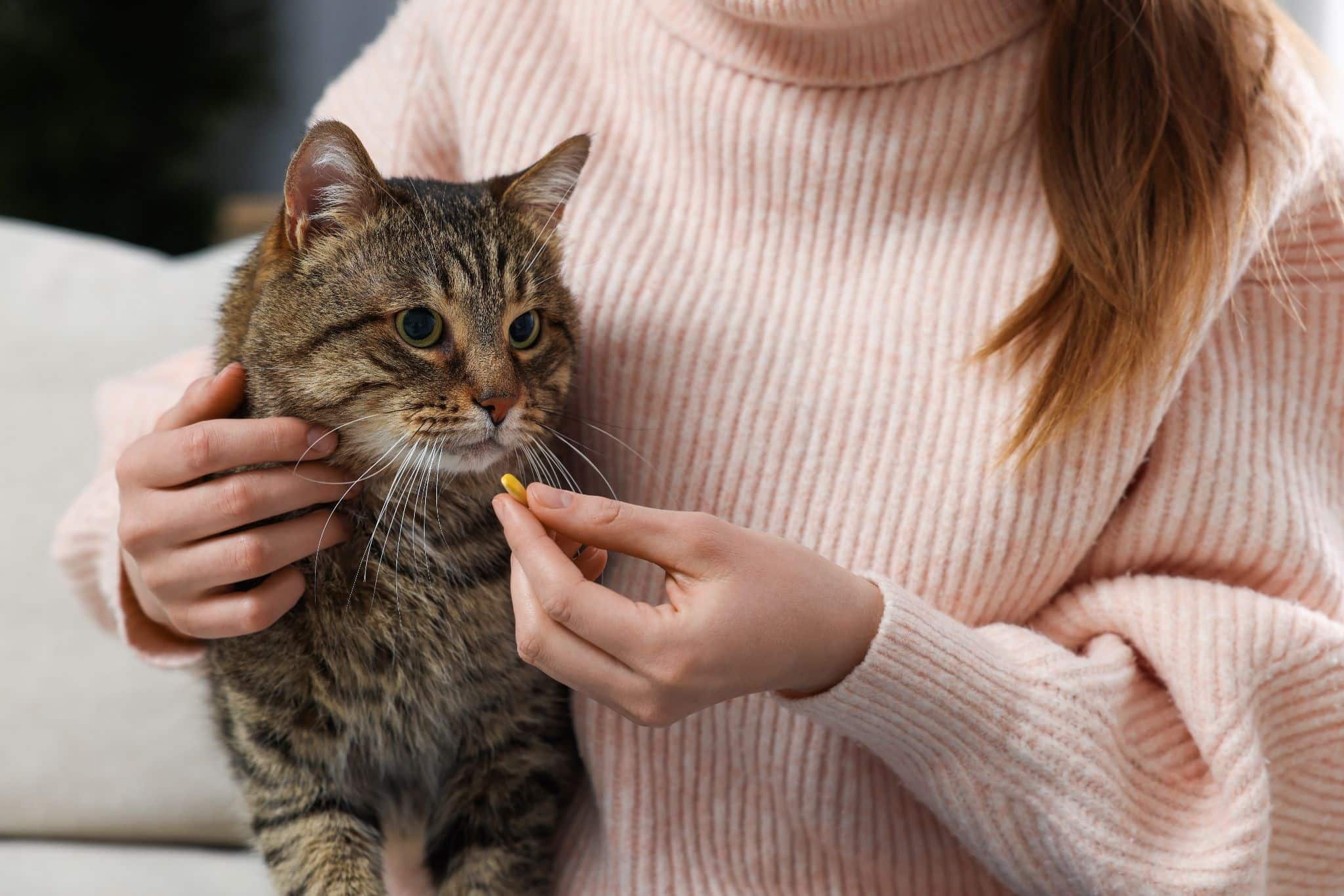
Administering medication to a cat can be one of the trickiest parts of feline care. Cats are often resistant to pills, and a struggle can cause stress for both pet and owner. Knowing how to give cats pills safely and effectively is essential for ensuring your cat receives the treatment they need for their health and well-being.

Understand Your Cat’s Needs

Before giving medication, it’s important to know what you’re treating and the correct dosage. Always follow your veterinarian’s instructions, as improper dosing can be harmful. Some cats may need pill pockets, liquid alternatives, or compounding solutions if swallowing a pill proves too difficult.

Step-by-Step Guide on How to Give Cats Pills

  1. Prepare the Medication: Have the pill ready and, if needed, a pill splitter or crusher (check with your vet first). Some medications can be hidden in food or pill pockets, while others must be given directly.
  2. Create a Calm Environment: Find a quiet, comfortable area. Wrapping your cat in a towel can prevent sudden movements and make them feel more secure.
  3. Hold Your Cat Properly: Gently hold your cat with one hand under their chin and the other supporting their body. Avoid excessive force, which can increase stress.
  4. Administer the Pill:
    • Direct Method: Tilt your cat’s head back, open their mouth gently, and place the pill as far back on the tongue as possible. Quickly close their mouth and rub the throat to encourage swallowing.
    • Pill Pocket/Food Method: Hide the pill in a small amount of soft food or a commercially available pill pocket. Ensure your cat eats the entire portion.
  5. Reward Your Cat: Offer praise, petting, or a favorite treat immediately after giving the pill. Positive reinforcement helps reduce anxiety for future doses.

4 Tips for How to Give Cats Pills

  • Practice Consistency: Give the medication at the same time each day to establish a routine.
  • Use Pill Alternatives if Needed: Some medications can be compounded into flavored liquids or treats. Ask your vet if this is an option.
  • Avoid Punishment: Negative reactions can make your cat associate medication with fear.
  • Monitor Your Cat: Watch for adverse reactions after giving medication and report any concerns to your veterinarian promptly.

Expert Care at The Cat Clinic at Cherry Hill

If you’re struggling to give your cat pills despite trying different techniques, the experts at The Cat Clinic at Cherry Hill can help. We specialize in feline-only care and understand how challenging medication can be for cats and their owners. Our experienced veterinarians provide guidance on how to give cats pills, offer alternative formulations when appropriate, and support you in keeping your cat healthy and comfortable.Don’t let medication stress you or your cat! Schedule a consultation with our team today. Visit Cat Clinic at Cherry Hill or call us to get expert tips and personalized support for your feline friend.

Senior Cat Wellness Exams: Why They’re Essential for Your Feline Friend

09.19.25

senior cat wellness exams

As cats age, their needs change, and so should their veterinary care. Just like people, senior cats are more prone to certain health conditions, making regular check-ups even more important. Senior cat wellness exams give veterinarians the opportunity to detect issues early, provide preventive care, and keep your beloved companion healthy and comfortable in their golden years.

When Is a Cat Considered a Senior?

Most cats are considered seniors around the age of 7–10 years old, though some breeds may age differently. By this stage, changes in metabolism, mobility, and organ function become more common, even if they aren’t immediately visible to owners.

What Happens During a Senior Cat Wellness Exam?

A senior cat exam is more comprehensive than a standard check-up. Your veterinarian will evaluate:

  • Physical Examination: Checking eyes, ears, teeth, heart, lungs, skin, and joints for early signs of disease.
  • Weight & Nutrition Assessment: Identifying unintentional weight loss or obesity, both of which can signal underlying issues.
  • Blood Work & Urinalysis: Screening for diabetes, kidney disease, liver problems, and thyroid conditions.
  • Dental Health Evaluation: Dental disease is extremely common in older cats and can affect overall health.
  • Mobility & Arthritis Screening: Identifying stiffness or pain that may be managed with treatment.
  • Vaccination & Parasite Control: Ensuring your cat stays protected against preventable diseases.

Why Senior Cat Wellness Exams Are So Important

While younger cats often do well with annual check-ups, senior cats benefit from twice-yearly wellness exams. Because health issues can progress quickly in older pets, more frequent monitoring helps ensure timely treatment and care for a variety of reasons:

  1. Early Disease Detection: Many conditions such as kidney disease, diabetes, or hyperthyroidism can develop silently. Exams catch them before they worsen.
  2. Improved Quality of Life: Addressing pain, mobility issues, or dental problems helps senior cats stay active and comfortable.
  3. Tailored Nutrition Plans: Adjusting diet for weight management, organ health, and overall vitality.
  4. Longer Lifespan: Preventive care and early intervention often add healthy, happy years to your cat’s life.
  5. Peace of Mind for Owners: Knowing your cat is being monitored closely reduces stress and uncertainty.

Trust the Cat Clinic at Cherry Hill for Senior Feline Care

At The Cat Clinic at Cherry Hill, we understand the unique needs of aging cats. Our team specializes in feline-only medicine, which means we tailor every senior cat wellness exam to address age-related concerns. From bloodwork and dental care to arthritis management and nutrition counseling, we provide compassionate, expert care to keep your cat thriving.

If your feline friend is entering their golden years, don’t wait! Schedule a senior cat wellness exam today. Visit our office or call us to book an appointment and ensure your cat enjoys a healthy, happy life well into their senior years.

How to Administer Insulin to a Cat: Expert Feline Diabetes Care

08.13.25

administer insulin to a cat

Feline diabetes is a common condition in cats, with an estimated 1% of cats developing it over their lifetime. Managing diabetes in cats requires knowledge, consistency, and care. It may seem daunting at first to administer insulin to a cat, but with the right guidance, it becomes a safe and routine part of your cat’s healthcare.

Understanding Feline Diabetes

Feline diabetes is a condition where a cat’s body cannot regulate blood sugar effectively. Common symptoms include:

  • Increased thirst and urination
  • Weight loss despite normal appetite
  • Lethargy and reduced activity

Insulin therapy is essential to regulate blood glucose levels and improve your cat’s quality of life.

Preparing for Insulin Administration

Before giving an injection, gather the following supplies:

  • Insulin prescribed by your veterinarian
  • Syringes appropriate for the type and dose of insulin
  • A clean, quiet area to reduce stress
  • A logbook to track doses, injection times, and any reactions

Step-by-Step Guide to Administer Insulin to a Cat

  1. Wash Your Hands: Maintain hygiene before handling insulin.
  2. Check the Insulin: Verify the expiration date and gently roll the vial to mix the solution.
  3. Draw the Dose: Use the syringe to measure the exact amount prescribed. Accuracy is crucial.
  4. Prepare Your Cat: Find a calm space and gently restrain your cat. Wrapping in a towel can prevent sudden movements.
  5. Give the Injection: Lift the scruff of the neck to create a small “tent,” insert the needle at a slight angle, and push the plunger.
  6. Reward Your Cat: Offer a treat or gentle petting to create a positive association.
  7. Monitor for Reactions: Watch for signs of hypoglycemia, such as weakness, tremors, or unusual behavior, and contact your veterinarian if needed.

Tips for Consistent Insulin Care

  • Administer injections at the same time each day
  • Rotate injection sites to prevent irritation
  • Keep detailed records of doses, meal times, and behaviors
  • Schedule regular check-ups with your veterinarian

Why Professional Support Matters

While administering insulin to a cat at home is important, professional guidance ensures safe and effective treatment. At The Cat Clinic at Cherry Hill, our experienced veterinarians specialize in feline diabetes management. We provide personalized insulin instruction, health monitoring and treatment adjustments, and compassionate care tailored to each cat. If your cat has diabetes or you need guidance with insulin administration, our team is here to help. Contact The Cat Clinic at Cherry Hill to schedule a consultation and ensure your feline friend receives the highest standard of care. Visit our office or call us at (856) 662-2662 today.

Why a Cat-Only Vet Clinic Is the Purr-fect Choice for Your Feline Friend

07.15.25

cat only vet clinic

When it comes to veterinary care, not all clinics are created equal, especially if you’re the proud parent of a cat. Felines have unique health needs, behaviors, and sensitivities that are often very different from dogs and other pets. That’s why choosing a cat-only vet clinic like The Cat Clinic at Cherry Hill can make all the difference in your pet’s health, comfort, and quality of life.

Benefits of Choosing a Cat-Only Vet Clinic

Just like doctors for people have specialties (like your PCP or a cardiologist), choosing a veterinarian that specializes in feline care can make all the difference in your kitty’s health. Here are just a few reasons why a cat-only vet clinic is the best choice for your cat:

  • Stress-Free Environment: Unlike general veterinary offices, a cat-only clinic eliminates the stress of barking dogs and busy waiting rooms. A quiet, calm environment makes visits less traumatic for cats, which helps reduce anxiety and improves the accuracy of exams.
  • Feline-Focused Expertise: If you’re a cat owner, you know the truth… Cats aren’t just small dogs! They have specific health concerns and often hide symptoms until a condition is advanced. At a feline-exclusive clinic, the veterinary staff is highly trained to spot subtle signs of illness and understands the complexities of feline physiology and behavior.
  • Tailored Treatments and Equipment: From dental care to diagnostics, all treatments and tools at a cat-only clinic are chosen with your cat’s size and comfort in mind. This leads to safer procedures, more effective treatments, and better outcomes for your feline companion.
  • More Personalized Care: Specialized clinics often provide a more personalized experience. Our veterinarians and staff take the time to get to know your cat and you, allowing us to tailor our approach and build long-term relationships based on trust that last and extend your kitty’s lifetime.

Looking for a New Vet? Choose The Cat Clinic at Cherry Hill

At The Cat Clinic at Cherry Hill, we’re dedicated exclusively to the health and happiness of cats. As a full-service feline veterinary clinic serving Cherry Hill and surrounding areas, we offer everything from preventive care and diagnostics to surgery and senior cat support. Our compassionate, cat-loving team is committed to exceeding expectations for both you and your feline friend. Ready to experience the difference of specialized feline care? Contact us today to schedule an appointment and give your cat the expert attention they deserve.

Big News from the Cat Clinic at Cherry Hill!

07.07.25

Announcement image.

Dear Cat Clinic Family,

Many of you know that I recently reduced my hours.  Now, I have some very exciting news.  For some time I have been actively searching for just the right doctor to join the Cat Clinic at Cherry Hill and become its new owner.  My standards were high.  I had to find someone who shared my deep love and appreciation for our feline family members, but who also had the medical skills to propel the Cat Clinic forward in the ever evolving field of feline medicine and surgery.  I have the great pleasure of announcing that I have found such a veterinarian.  She is Dr. Amanda Kennedy, and she will be taking over the reins at the Cat Clinic and moving it forward into the future, together with myself, Dr. Schreiber and Dr. Todd, who you already know (and love), and our excellent support staff.  

Like me, Dr. Kennedy has the rare distinction of holding a board certification in feline practice from the American Board of Veterinary Practitioners.  She graduated from the College of Veterinary Medicine at the esteemed Cornell University in 2017, after which she completed a two-year residency in feline practice.  She has practiced at two busy feline-only veterinary clinics in Columbus, OH and in Guilderland, NY where she was the medical director.

The Cat Clinic at Cherry Hill has been my life’s work and commitment, and I am pleased to remain part of it.  With Dr. Kennedy, the future of this beloved practice is in the most capable hands.  Our hours are restored, and the quality of our practice is further exceeded.  I know you will join me in welcoming her warmly.

Sincerely,

John J. McCauley, VMD


Hello Everyone!

I am honored and excited to introduce myself as the new owner and veterinarian at the Cat Clinic at Cherry Hill.  Dr. McCauley has fostered and developed this practice into a truly special place over the last 28 years.  It is with immense gratitude that I step into this role, joining a team that has built a strong and trusted reputation for compassionate, high-quality feline care.

I am originally from Bucks County, Pennsylvania and am so happy to be closer to family than I have been in a long time.  I am an active member of the Feline Veterinary Medical Association, the American Veterinary Medical Association, and the American Board of Veterinary Practitioners, and currently serve on several committees. I have had research publications in the Journal of Feline Medicine and Surgery, the Feline Practitioner Magazine, and I continue to participate in clinical research to advance the field of feline medicine.  I look forward to bringing exciting new clinical trials to the Cat Clinic at Cherry Hill in the future.  My special interests include complex internal medicine cases, pain management, and geriatric medicine. I am also experienced in abdominal ultrasound, advanced dentistry and several feline-specific surgical procedures.  

I consider myself so lucky that I get to work with cats every day and with a group of people who also understand how special they are.  I have always believed that cats deserve a veterinarian that understands their unique behaviors, illnesses, and physiology.  I feel fortunate to be working alongside Dr. McCauley, whose continued presence in a part-time role brings both continuity and a familiar face for many of our long-time clients. I share that same deep commitment to the specialized needs of cats, and I’m honored to build upon the outstanding foundation Dr. McCauley has created.

As we move forward, my goal is to continue building relationships with you and your beloved pets—honoring the traditions of the practice while also bringing fresh energy and ideas to ensure we provide the best possible care.

Thank you for welcoming me into this wonderful community.

Sincerely,

Amanda Kennedy, DVM

How to Keep Cats from Overheating During a Heatwave

06.23.25

keep cats from overheating

If you have cats, you know they love to lay around in a sun spot soaking in the warm rays. However, like most household pets, if they’re overheating during the summer, it can be dangerous for their health! Whether you’re experiencing a heatwave or just live in a warm climate, it’s essential your cats stay cool and hydrated this summer. That’s why the Cat Clinic at Cherry Hill has compiled some important tips on how to keep cats from overheating when it’s hot outside!

5 Tips to Keep Cats from Overheating

For those with air conditioning, it’s not too difficult to keeps cats from overheating, but if you have limited or no AC, or if your power has gone out and things are heating up, here are some tips for helping your kitty stay cool during a heatwave:

  1. The most important thing is to make sure your cat has fresh water so they can stay hydrated. If your cat is panting, that’s typically not a great sign! Give them some cool water and call a vet if you think your cat is overheating
  2. When it comes to playtime, keeping your cat cool is possible! Yes, even if they’re running around! Ice cubes are a great toy that your cat can chase across the floor to keep cool, or you can put their favorite toy in the freezer for an hour or so before letting them play with it.
  3. Speaking of ice, many cats love ice treats! Kitty-friendly ice treats are a healthy and cool snack your cat will love!
  4. Investing in a cooling mat is a great idea. Most pet stores have a wide variety of options when it comes to cooling mats, and cats love laying on them. However, if you’re on a budget, putting ice packs or even frozen packs of vegetables in your cat’s sleep-spot can make a huge difference! Just make sure to wrap them in a towel before you place them in your cat’s bed or favorite cuddling spot.
  5. It’s best to keep your cat indoors when it’s hot, but if your cat does go outside, make sure they have a shady spot to avoid the sun. Keep your eye for signs of overheating and dry-skin, which can indicate sunburn.

If Your Cat is Overheating, Call the Cat Clinic at Cherry Hill!

If you notice your cat is having a hard time keeping cool this summer, don’t wait; call the Cat Clinic at Cherry Hill. The Cat Clinic at Cherry Hill can provide you with all the information you need to keep your cat safe and happy during the hottest months of the summer. To schedule an appointment or to learn more about summer cat safety, call us at 856-662-2662. We are a full vet clinic that caters exclusively to cats and their health. 

  • 1
  • 2
  • 3
  • …
  • 13
  • Next Page »

Schedule An Appointment Today!

(856) 662-2662
35 Haddonfield Road
Cherry Hill, NJ 08002

35 Haddonfield Road, Cherry Hill, NJ 08002

(856) 662-2662

  • Home
  • About
    • Our Practice
    • Our Team
    • Our Policies
  • Testimonials
  • Contact Us

©Copyright 2018 Cat Clinic at Cherry Hill, All Rights Reserved