Cat Clinic at Cherry Hill

  • Home
  • About
    • Our Practice
    • Our Team
    • Our Policies
  • Medical Services
  • Testimonials
  • Blog
  • Contact

20 Fun Feline Facts

04.11.16

feline-facts

As we all know, cats are beautiful, captivating creatures that are a joy to own and observe. To celebrate their wonderful presence in our lives, we’ve compiled a list of 20 amazing facts about our feline companions! Did you know that…

1. Unlike humans, who have nine­-month pregnancies, a cat’s gestation period is only nine weeks long.

2. Hold the dessert—cats are incapable of tasting sweetness in anything they eat.

3. Are you and your cat on the same brainwave? Get this: cats’ brains are genetically more similar to a human’s brain than a dog’s brain.

4. A cat’s field of vision does not include anything directly below the nose.

5. The “cat flap” door was invented by Sir Isaac Newton, the English mathematician who discovered gravity. We think we would have liked Mr. Newton. feline-facts

6. Cats typically sleep up to 16 hours per day. That’s a lot of shut-­eye!

7. Able to leap tall countertops in a single bound…A cat can jump up to five times its own height!

8. A cat’s nose is as unique as a human fingerprint. So would the police would “noseprint” a cat that got arrested?

9. The Maine Coon is the official state cat of—you guessed it—Maine.

10. Killing a cat in ancient Egypt was punishable by death.

11. Cats don’t just close their eyes when they’re tired; it could also mean they are content.

12. Ragdoll cats are named that for a reason; when lifted up, their muscles relax and they go limp.

13. A cat has 24 more bones than a human.feline-facts

14. Talk about finicky eaters! Cats prefer their food to be at room temperature. Your kitty just might turn up his nose if the meal is too hot or too cold.

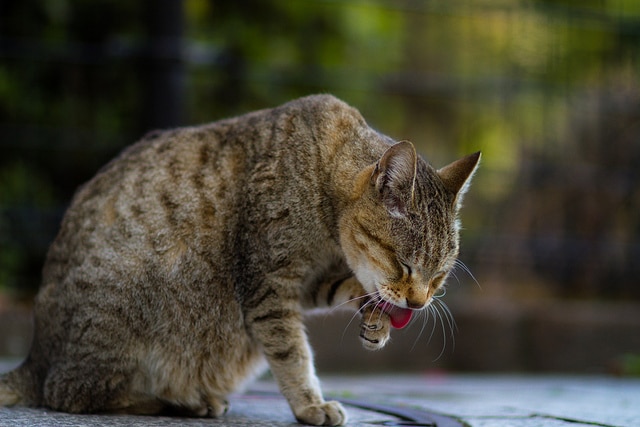
15. A cat spends roughly a third of its time awake grooming itself. Is this vanity, good hygiene, or a combination of both?

16. Though here in the U.S. they have the reputation of being bad luck, black cats are seen as good fortune in Australia and the United Kingdom.

17. Step lightly! Cats have 5 toes on their front paws and 4 toes on their hind paws.

18. An indoor cat can live 16 years or longer, while an outdoor cat’s lifespan is only 3­5 years on average.

19. The scientific name for a hairball is “bezoar,” though many of us just refer to it as “blech!”

20. Similar to human beings hugging or shaking hands, cats often greet each other by rubbing noses.

There you have it—twenty reasons for us to marvel at our unique and fascinating four­-legged friends. If you’d like to know more about your cat’s behavior or if you’re having concerns about his or her health, you can always contact your cat veterinarian here at The Cat Clinic at Cherry Hill. We’d be happy to help resolve the issue and provide the very best care for your furry family member!

Benefits of Owning a Cat

01.13.16

benefits-of-owning-a-cat

All loving cat-owners know that having a cat around is rewarding in itself—many of us can’t imagine life without our fur babies! As Sigmund Freud once said, “Time spent with cats is never wasted.” There are a few good reasons for having a feline in the house besides a warmed lap. Here are five ways in which cats enrich the lives of their humans:

1. They’re good for your heart! Pets in general are good for your heart, but especially cats. Cat owners find that their stress levels drop more so than even dog owners (maybe because felines don’t require as much effort as canines), and experience less anxiety in their lives. Also, we can all confirm that their antics frequently serve as a comic relief. How about the purring? Petting a cat is therapeutic and calming. Interestingly, studies have shown that those who own cats are less likely to die of a heart attack or stroke than those who do not have cats.

2. They provide a sense of companionship. Who says dogs are more affectionate than cats? Contrary to popular belief, many cats love to interact with their loving owners and often initiate contact. Go ahead and stroke that soft coat and hold him in your lap—both you and your cat will benefit from the time together!

3. A coping mechanism. Through any type of struggle or loss, cats help their owners get through it. One of the best parts about having a pet is the ability to speak without fear of judgment or negative response. Work through complex thoughts and feelings, have a good cry, and rest easy knowing that your feline companion is there to offer purrs and cuddles of comfort.

4. They teach responsibility and empathy. For those who have children, owning a cat shows them how to care for something besides themselves and to consider how their actions affect other individuals. A consistent feeding and litter box-cleaning schedule teaches the importance of self-discipline, sticking with a routine, and putting others’ needs before their own. A lesson in responsibility has never been so rewarding!

5. They help you get social. Owning a cat provides ample opportunity for starting conversation with new acquaintances, which lends itself to great sociability. Good news for single guys: a study has shown that women are more attracted to men who own or have owned cats, as it suggests that they are more sensitive and intelligent. Or maybe they just know that cat people are the best kind of people.

We’re pretty sure you didn’t need a list of reasons to confirm why owning a cat enhances the quality of your life, but we hope you learned something new! As your trusted cat veterinarian, we’re here to ensure that your precious pet has a long, healthy life ahead of her. Be sure to contact us with any questions or appointment requests!

Purr-fect Holiday Tips

12.09.15

Purr-fect Holiday Tips

If you’ve already decked the halls with boughs of holly, you may want to take them down.

During the holiday season, half of the excitement is adorning the inside and outside of the house with colorful, festive decorations: tinsel is generously swathed around mantels, delicate ceramic figurines grace coffee tables, fragile glass ornaments hang precariously from the tree—the end result is a beautiful, cozy home…and a veritable wonderland for your cat. One of the defining characteristics of a cat is her curious, playful nature. Anyone who has observed their feline companion knows how irresistibly tempting a piece of string or even a dot of light can be! Imagine the overwhelming intrigue of an indoor tree laden with ornaments and tiny flashing bulbs. To keep your furry friend safe for the season, we’ve compiled some common holiday household items to think twice about having within kitty’s reach.

Candies and Cookies Galore

‘Tis the season for cooking, baking, and candy-making. A plate of cookies or a bowl full of festively colored candies on the countertop might be tempting for you—consider how alluring it is to your cat! Equipped with a highly attuned sense of smell, the sweetly enticing aroma of chocolate and other sugary treats is nearly impossible for her to resist. Chocolate is toxic for both dogs and cats, so take extra care to keep it inaccessible to your pets.

Thinking of spiking the eggnog? Make sure you keep an eye on where you set down your cup! Alcohol is another substance that can sicken animals. It’s especially dangerous when mixed into sweet, aromatic beverages that appeal to your cat’s sensitive nose.

All Decked Out

Making garlands and hanging shimmering strands of tinsel may make the rooms of your home look lovely, but it’s asking for trouble when you have a little hunter or huntress stalking the premises. To your cat, there’s not much of a difference between a carefully strung garland and that piece of yarn you dangle in front of his eyes during playtime. Popcorn garlands are particularly at risk of getting snagged by reaching paws (An edible toy? Even better!). And of course, let’s not forget Christmas tree ornaments! Sparkling, glittery objects hanging like ripe fruit from the tips of the branches are bound to be targeted by your feline friend.

Besides the obvious outcome—your decorations get pulled down and ruined—some items pose a choking hazard or could cut your pet’s paws with broken and jagged shards. Candles can be dangerous, as well; avoid letting them burn unattended, lest they are knocked over and cause a fire.

The Gift of a Safe, Healthy Cat!

Cat owners may need to be more cautious with their seasonal decorations, but they don’t have to entirely quench their holiday spirit! Use common sense with ornament and food placement, and your home can still look bright, beautiful, and festive. Feel free to contact the cat veterinarians at our clinic if you have further questions or concerns, and we hope you all have a wonderful holiday!

How to Bond with Your Cat

11.16.15

How to Bond with Your Cat

There’s nothing quite like the bond between you and your cat. Whether you’re trying to form a connection with your newly adopted friend or strengthen the existing relationship with your furry companion of many years, there are a few tried and true methods of doing so. As with any pet, trust is key—if your cat trusts you, you’re already on your way to a beautiful relationship.

A common misconception that many people believe is that cats are incapable of having affection for their owners; every cat is unique, however, and although some might be more reserved than others, this certainly doesn’t mean that all felines are cold and unloving! If you are trying to form a bond with a cat that you recently brought home, take time to observe your new arrival. Is he playful? Does he try to engage with you or others? Is he shy and fearful? No matter his personality, it’s important to make him feel comfortable in his new surroundings. It is helpful to provide a special space or haven for your kitty to escape to when privacy is preferred; perhaps equip an area of the house with food, toys, and bedding.

As mentioned earlier, all cats are different, but it’s probably safe to say that no cat enjoys a chaotic, loud, unstable environment. When approaching your pet, try not to make quick sudden movements or jarring noises. This kind of activity is often frightening and does not contribute to earning your cat’s trust; rather, you’re more likely to be viewed as a threat to be avoided. Offer your hand slowly and gently when trying to stroke the soft coat of your feline. Talk in a low, soothing tone. Sit on the floor and allow your cat to come to you on her own terms. If you are patient and persistent, you may be rewarded with some contented purring!

Lastly, food is always an excellent incentive. Use regular cat food or special treats to teach your cat that social interaction is a positive experience. Make sure the feeding schedule is consistent, and try to pet or talk to your cat while she eats. As she comes to understand that you are a provider of both affection and tasty treats, she is far more inclined to approach you.

When it comes down to it, your cat wants to be sure that he or she is safe and well cared for. Treating your pet with love and respect is the best way to promote a strong bond, though you may need to wait a period of time for your cat to feel comfortable enough to show it! If you suspect that your feline may have anxiety issues that go beyond the normal “new surroundings jitters,” get in touch with your local cat veterinarian. The highly experienced and skilled doctors at The Cat Clinic at Cherry Hill are more than capable of identifying and addressing feline behavioral issues. Contact the office today!
A Fit Cat is a Happy Cat!

10.16.15

Fit and Healthy Cat

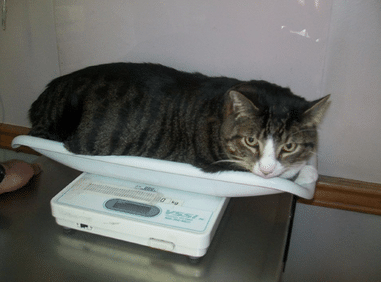
For some, the appearance of a fat cat is irresistibly cute—but let’s consider the health of your pet first and foremost! When that extra pudge begins to threaten his or her overall well-being, it’s time to investigate the source of the problem. It’s a simple equation, really: overfeeding + lack of exercise = obesity for many cats. Happily, there are proactive steps you can take as a cat owner to restore your pet’s fitness. Take a look at four ways you can help curb your kitty’s weight:

  1. Correct Your Cat’s Diet

This one is definitely a no-brainer, but the answers as to “how” may not be so easily ascertained. Your best bet is to take your cat to a local veterinarian (like Cat Clinic at Cherry Hill!) and allow the professionals to determine your feline’s caloric requirements, which type of food best suits his or her needs, and what a suitable serving might look like for your cat’s diet. Ask about foods with normal amounts of fermentable fiber and fat to help keep your cat’s skin and coat in tip-top shape during the weight loss process.

  1. Get Your Cat in Shape

We don’t know of any cat gyms in the area, but that shouldn’t stop you from helping your companion become more active! Exercise has the power to burn calories, reduce appetite, transform body composition, and increase metabolic rate. It might seem unorthodox, but walking your cat is actually a great way to help increase both physical activity and mental stimulation. For indoor play, we suggest using interactive toys like plastic fishing poles and laser pointers.

  1. Adjust Your Own Behavior

If your cat is overweight because of overfeeding or a sedentary lifestyle, then it may be time to adjust your habits as a pet-owner. Giving your kitty too many treats or not providing enough opportunities for exercise could be the reasons behind your cat’s less-than-ideal physique.

  1. Limit or Monitor Your Cat’s Hunting

During their daily explorations, outdoor cats may be hunting and ingesting meals that you aren’t even aware of. In order to get serious about your cat’s weight, it may be necessary to keep your cat in the house for a while to avoid those unplanned dietary additions!

To formulate a comprehensive weight-loss plan for your cat, there’s no better resource than your local Cherry Hill cat veterinarian. We look forward to making your cat’s health our number-one priority! Come pay us a visit or get in touch today!

Should I Let My Cat Outside?

10.07.15

Screen Shot 2015-10-07 at 9.52.58 AM

Perhaps you’ve observed your furry companion gazing almost wistfully at the great outdoors from behind the window and wondered, “What’s the harm in letting the poor little guy roam outside?” Many cat owners wonder if it’s cruel or unnatural to keep their feline friends cooped up indoors every day. Some feel that it is more humane to allow their pet to wander freely outside and return home at their leisure. As ideal as it sounds, there are actually quite a few consequences to this course of action!

First, let’s consider your pet’s safety: parasites, disease, cars, and other animals all pose significant threats to an outdoor cat—not to mention cruel people who abuse or kill wandering animals for “sport.” Outside of the security of your home, your cat is exposed to a variety of dangers and nuisances such as fleas, ticks, upper respiratory infections, feline distemper, and other health issues. No one wants to think about their beloved animal in discomfort or pain, but it’s important to be aware of these hazards.

Besides the health risks posed to your cat, there is also the issue of potential damage to the local environment. Has your furry friend ever brought you a “gift” in the form of a mangled mouse or battered bird? While it’s certainly beneficial to have this kind of pest control inside of the home, it is harmful and unnecessary outside of the house. According to American Humane Association, outdoor cats are estimated to kill hundreds of millions of birds each year, “yet birds are believed to be only 20 percent of the wildlife [they] kill.” This is especially concerning when the populations of native species begin to dwindle. Animal lovers should care about the well-being of both pets and wildlife!

So, should you let your cat wander freely, or should you bar all of the exits? Is there a middle ground? Let’s look at a few ways to keep frisky felines happy and stimulated inside of the home:

  • New toys! Satisfy your little hunter’s instincts by providing him or her with an interactive toy to chase (laser pointers, for example).

  • New friend! Have you thought about finding a compatible cat or dog to keep your current kitty company?

  • Posts, perches, and hiding places! Cats need designated surfaces on which to flex those claws, so be sure to provide them with some good scratching posts. Perches and fun, low-cost hiding places (such as cardboard boxes) are purr-fect for nice views and peaceful havens.

If you still feel that your companion deserves a little fresh air and time in nature, there is always the option of using a leash! Adult supervision, as well as the proper vaccinations from a cat veterinarian, will allow your feline to enjoy the great outdoors without the negative side effects. If your cat needs to be vaccinated, or if you have any questions regarding your furry friend, get in touch with the professionals at The Cat Clinic at Cherry Hill! Call (856) 662-2662 today.

Pay Attention To Your Cat’s Fur Coat!

07.15.15

how to tell if your cat is healthy

Photo Credit: Takashi Hososhima

Cats tend to thrive on low-maintenance. Give them a litter box, a bowl of food and water, and you can leave them alone for days without any problems. That’s a big reason why cats make wonderful pets — they’re practically self-sufficient! They even groom themselves — most of their energy goes into perfecting their fur coat. Believe it or not, you can learn a lot about your cat’s health by the state of its coat. If you notice something unusual about your cat’s fur, you may want to investigate further. Your cat’s fur coat is the first place you should look to detect any health concerns.

What is my cat’s coat telling me?

Unkempt hair can be a sign that your cat is not feeling well — you know how consistently your cat grooms herself. On the other hand, if your cat is over-grooming herself to the point of becoming raw or scabbed, that could be another sign of danger. Your cat could be under stress, or she could have a painful skin condition, such as acute dermatitis, which is caused by allergies, fleas, or insect bites. She could also be suffering from arthritis — stiff joints may be preventing her from twisting her body to reach certain areas to groom herself.

Another reason your cat’s fur is deteriorating could be a lack of vitamins. Your cat should be getting a nutritious, balanced diet of carbohydrates, proteins, and fats. When choosing cat food, make sure the label says it meets the standards set by the American Association of Feed Control Officials (AAFCO), which means that the food meets the minimum nutritional requirements for your cat.

Should I be concerned about shedding?

Shedding is perfectly natural, so you have nothing to worry about, unless there are signs of balding or matting. When you spend more time with your cat and you become familiar with her behavior, you will be able to catch abnormalities early on. If you pay close attention to her behavior and appearance, you may be able to keep her from getting sicker.

If you think your cat might have a health issue, or if it’s simply time for a check-up, head over to the Cat Clinic at Cherry Hill! We offer a wide variety of medical services that will keep your cat purring, meowing, and thriving. Give us a call at (856) 662-2662 to schedule an appointment with our feline-loving doctors!

  • « Previous Page
  • 1
  • …
  • 3
  • 4
  • 5

Schedule An Appointment Today!

(856) 662-2662
35 Haddonfield Road
Cherry Hill, NJ 08002

35 Haddonfield Road, Cherry Hill, NJ 08002

(856) 662-2662

  • Home
  • About
    • Our Practice
    • Our Team
    • Our Policies
  • Testimonials
  • Contact Us

©Copyright 2018 Cat Clinic at Cherry Hill, All Rights Reserved