Cat Clinic at Cherry Hill

  • Home
  • About
    • Our Practice
    • Our Team
    • Our Policies
  • Medical Services
  • Testimonials
  • Blog
  • Contact

Tips for Traveling With Cats: How to Make the Journey Comfortable and Safe

11.20.25

tips for traveling with cats

Holidays are a time for visiting loved ones and spending time with family, but if you have a cat, you know between daycare, separation anxiety, or financials, it can be difficult to leave your furry friend behind. However, traveling with cats can be a challenge, especially if your feline companion prefers routine and quiet spaces. If you’re traveling with your cat this holiday season, preparation is key. With the right strategy, you can ensure a calm, safe, and stress-free experience for both you and your cat. Here are some expert tips for traveling with cats.

Start With Carrier Training

A comfortable, secure carrier is the most important part of traveling with your cat. Begin training days or weeks before the trip:

  • Leave the carrier open at home so your cat can explore it on their own.
  • Place blankets, toys, or treats inside to create a positive association.
  • Practice short “mock trips” around the house or in the car to help your cat adjust to movement and confinement.

A cat that feels safe in their carrier will travel more peacefully and experience far less stress.

Prepare Your Cat Before the Trip

A little preparation goes a long way. Make sure you:

  • Schedule a checkup before long trips, especially if your cat has existing medical concerns.
  • Update vaccinations and keep a copy of medical records handy.
  • Avoid feeding large meals right before travel, which can help prevent motion sickness.
  • Microchip your cat and ensure their ID tag is current, just in case.

Keep the Car Environment Calm

If you’re planning to drive somewhere with your cat, keep in mind your cat will need time to adjust to the car. Cats are highly sensitive to sound, movement, and changes in routine. To reduce anxiety during the drive:

  • Secure the carrier with a seatbelt to prevent sliding.
  • Keep the car temperature comfortable.
  • Play soft music or keep the environment quiet.
  • Never open the carrier while the car is moving or doors are open.

Some cats benefit from pheromone sprays or calming supplements. Ask your veterinarian if these may be helpful.

Plan for Breaks and Comfort

During longer trips:

  • Offer water during rest stops, especially in warm weather.
  • Bring familiar bedding to maintain a sense of security.
  • Never leave your cat unattended in a parked vehicle, even for a short time.

If you’re staying overnight, choose pet-friendly accommodations in advance and create a safe, contained space for your cat once you arrive.

Air Travel Considerations

If you need to fly with your cat, check airline requirements carefully. Most airlines allow cats in the cabin in an airline-approved carrier. Always confirm:

  • Carrier size and weight limits
  • Necessary health certificates
  • Check-in and security guidelines

Flying can be stressful for cats, so consult your veterinarian before booking your trip.

Trust the Cat Clinic at Cherry Hill for More Tips on Traveling with Cats

At The Cat Clinic at Cherry Hill, we know that every cat is unique, and so are their travel needs. Our feline-focused veterinarians can help you prepare for your trip with personalized advice, preventive care, and strategies to keep your cat calm and safe on the road or in the air. If you’re planning to travel with your cat this holiday, let us help make the journey smoother. Call us at (856) 662-2662 to schedule your pre-travel consultation today.

How to Help Cats During the Holidays

12.23.24

how to help cats during the holidays

The holiday season is here, which means you’re probably gearing up for all the cheery festivities! Whether you’re hosting guests or traveling away from home, the holidays can be a busy and stressful time for anyone — especially people with pets. For cat owners, the holidays can be a little tricky, especially if your cat doesn’t particularly like social gatherings and you plan on hosting a family get together. That’s why the Cat Clinic at Cherry Hill has put together some tips for how to help cats during the holidays to get both you and your kitty through the season as happily as possible!

Helping Cats During the Holidays

Between food, guests, weather, and all the decorations, there are a lot of new and unfamiliar things that your kitty might encounter this holiday season. Here are a few tips for cat owners to help your cat get through the holidays with minimum stress:

  • Work with your cat’s social anxiety — If your cat isn’t a people-person or is pretty skittish, having a lot of guests over might stress them out. To help put your cat at ease, ensure they have their own quiet space away from people where they can hide and stay out of the way. Closing off the upstairs level of your home or even shutting them in your bedroom are great ways to give your cat their own temporary space to feel safe until the party is over.
  • Research what food is okay for cats — Your kitty might sniff out the food you’re preparing for the celebration, but be careful what they actually eat! Turkey skin, bones, and gravy might make your cat sick. If they’re curious, feed them a small bite of plain turkey meat and see how they react. If they’re okay in a few hours, another bite or two is probably okay, but make sure it’s bone-free.
  • Keep your cats away from toxic plants — Many holiday plants look great in your home, but they’re unfortunately toxic to kitties! Do your research on plants that are toxic to cats; to start with, cats should avoid interacting with poinsettias, lilies, and evergreen trees.
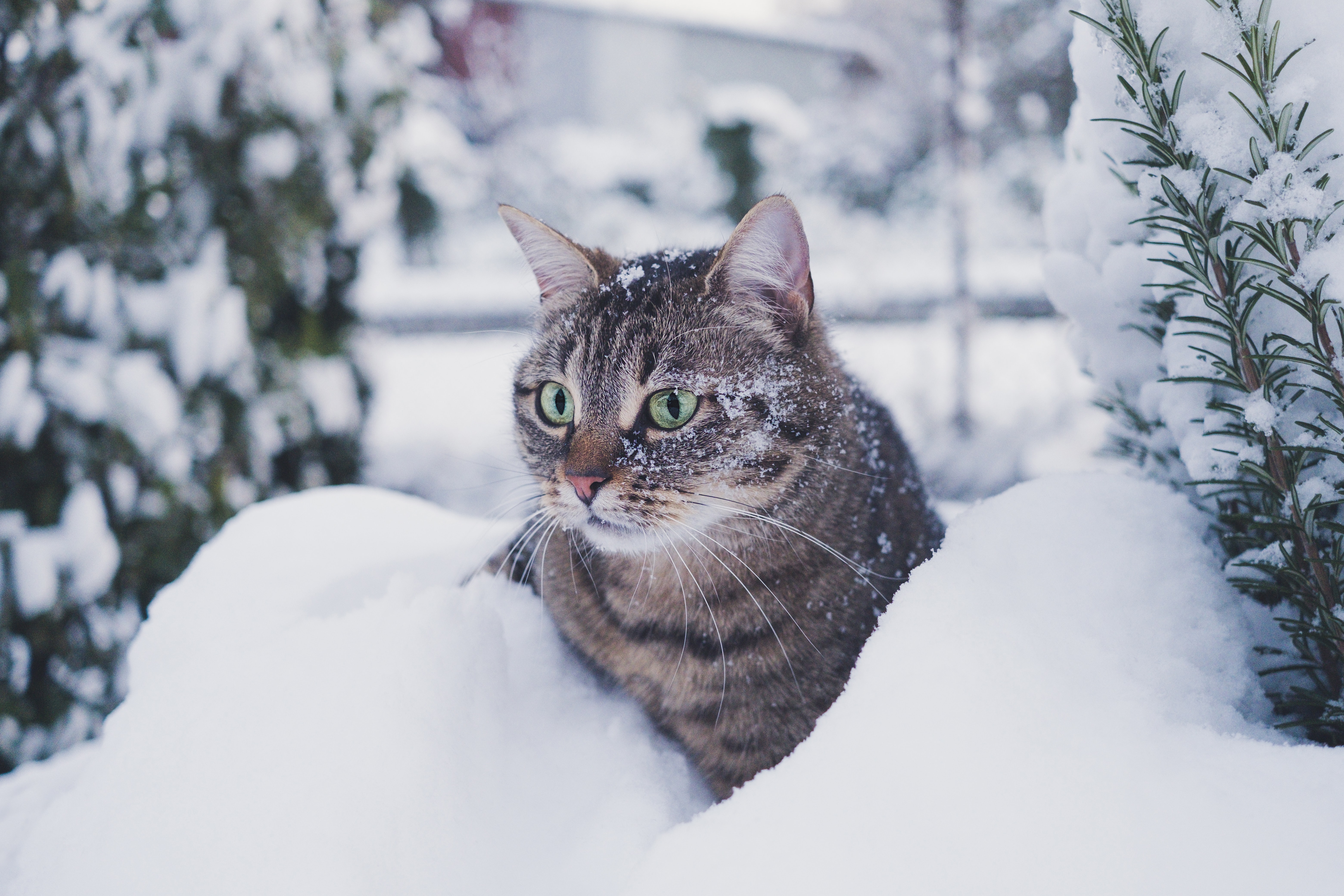
  • Be mindful of weather — Most cats don’t like the wet or the cold, but for the curious cat who does, snow isn’t a great idea. Your cat will be okay to poke around in the snow for a minute or two, but anything more than that and they could get sick. If it’s too cold for you, it’s too cold for your cat. Plus, if your cat’s fur gets too wet, it might not hold the heat as it’s supposed to. You don’t want your kitty to get hypothermia! 

If Your Cat Seems Sick, Call the Cat Clinic at Cherry Hill!

Even if you follow these tips on how to help cats during the holidays, remember that mistakes happen! We try our best to protect our kitties from the hazards that accompany the holidays, but we can’t always predict everything that might go wrong. If your cat eats something they shouldn’t or looks sick from the cold, contact your closest emergency vet immediately. For everything else, give the kitty experts at the Cat Clinic at Cherry Hill a call! Schedule an appointment with us today at 856-662-2662.

What Plants are Toxic to Cats?

02.15.24

what plants are toxic to cats

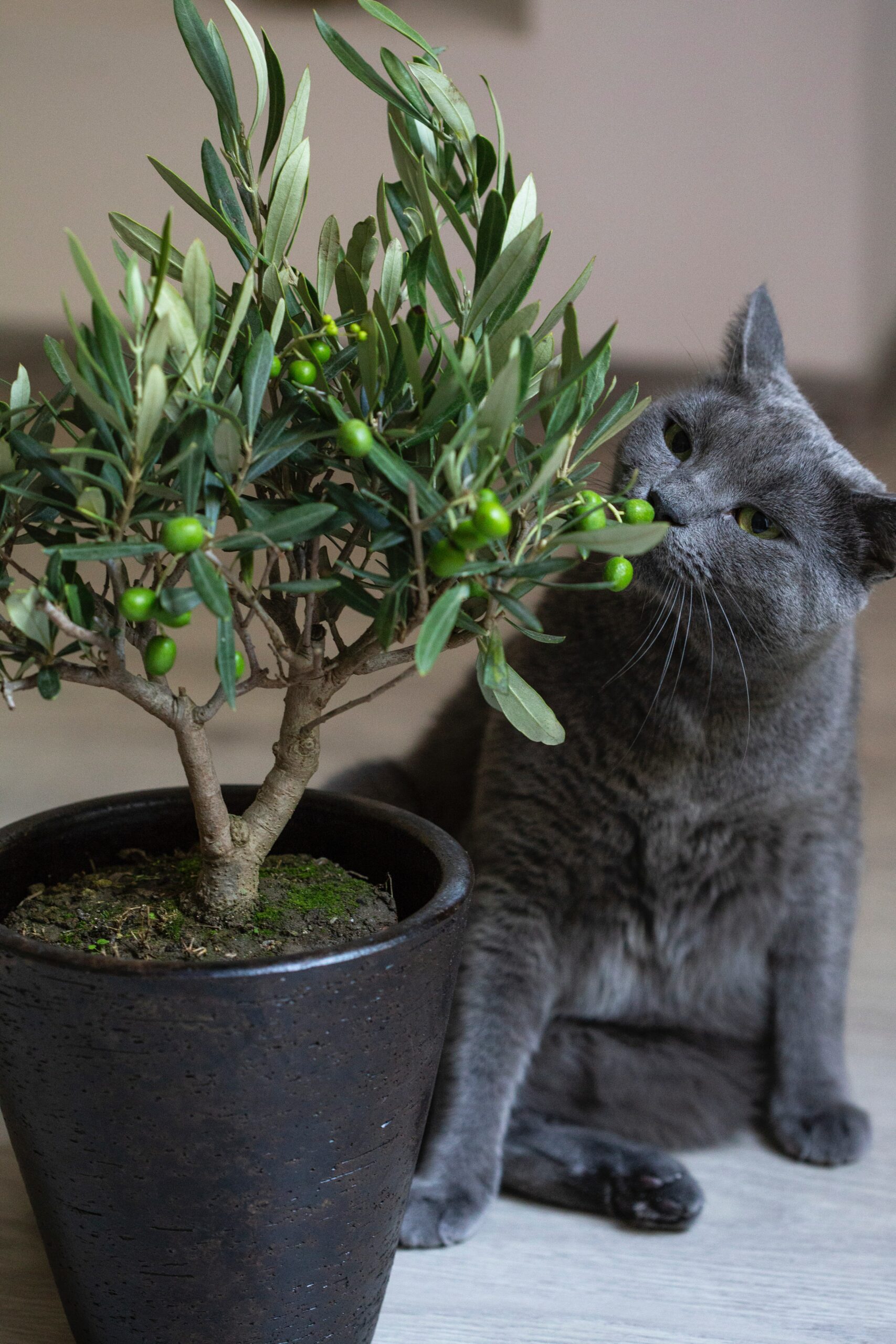
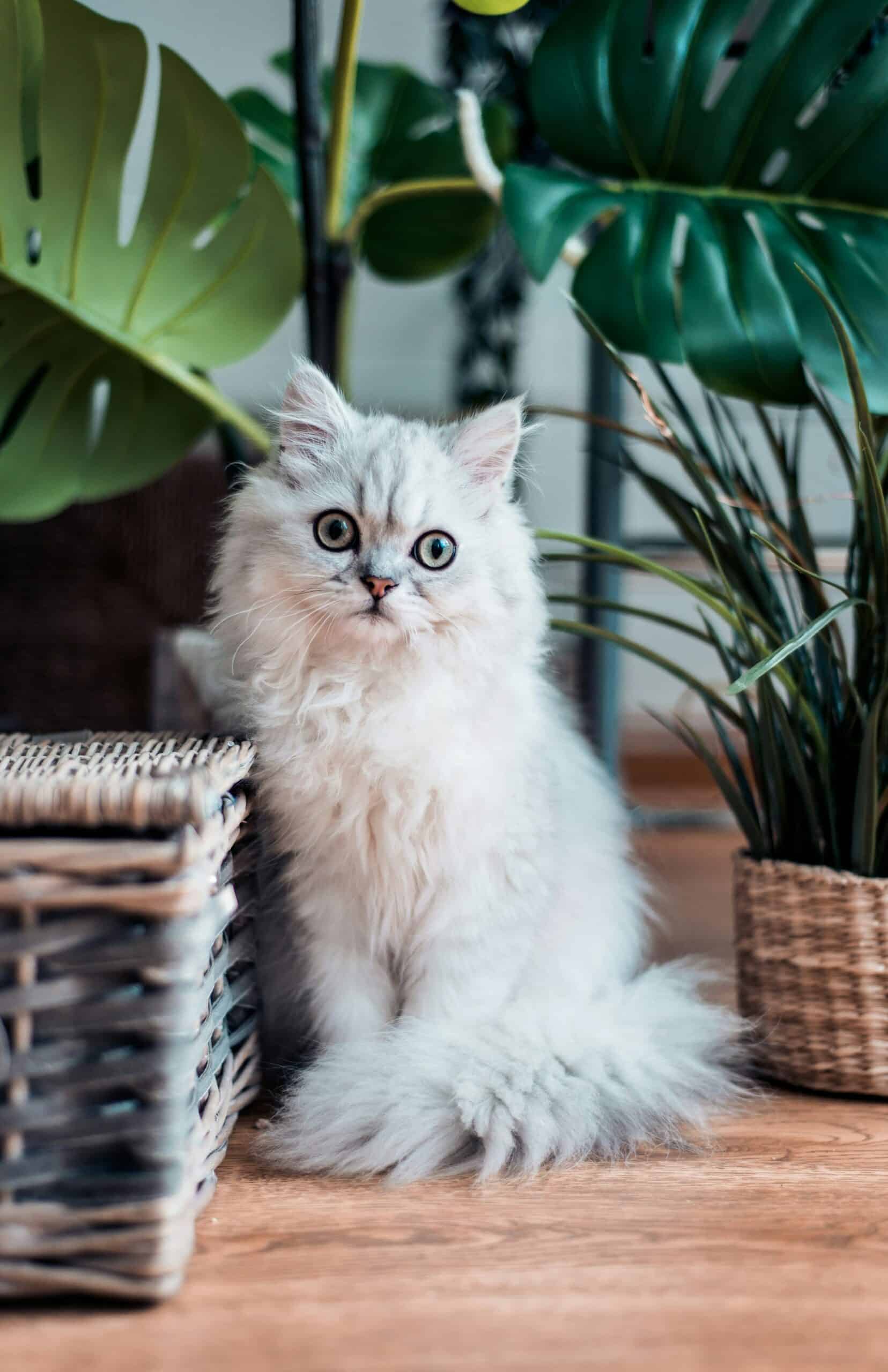
Spring is just on the horizon, which means you’re shifting out of winter mode and readying to embrace what the new season will bring! For many people this means hitting the nursery and getting some plants! If you’re a cat owner and want to add some greenery to your home, you may be wondering what plants are toxic to cats. The good news is there are a lot of household plants that aren’t harmful to kitties at all! However, here are a few of the most common household plants that will make your cat sick:

  • Lilies
  • Aloe
  • Daffodils
  • Hyacinths
  • Azalea
  • Cycas like Sago Palm

You Can Have Both! Tips on How to Properly Keep Plants and Cats

Although there are a variety of plants that are toxic to cats and dogs alike, if you’ve got a green thumb, don’t fret; there are many ways to keep plants in a household with your pets, even curious cats. Here are a few tips from the cat experts at the Cat Clinic at Cherry Hill:

  • Hanging plants are a great way to keep your plants out of reach of animals and even children! Just make sure they’re not by any ledges your cat could climb on to reach them, as we’ve all experienced how cats like to jump up high and explore.
  • Slowly introduce your cats to your plants and see how they react. You can let them sniff them, and if they’re largely uninterested, plant to your heart’s content. Continue to monitor and train your cats to avoid your greenery as you introduce them to your plants.
  • Planting in larger or heavier pots is typically the best planting option. That way a curious cat won’t tip them over.
  • Most cats dislike certain smells or odors. Spray cat repellent scents near your plants to deter your cats. Most pet stores will offer anti-cat odor sprays.
  • Similarly, you can put sticky tape or wire around your potted plants. Your cat won’t like stepping on the material and will avoid coming close to your plant.
  • Remember that cats have FOMO! They just want to do what you’re doing, too. Get your cat their own plants to play with – cat grass is like catnip and your cat will love it! 
  • Keep up with plant maintenance – if leaves become long, your cat might mistake them for a toy.

What Plants are Toxic to Cats: Learn More with the Cat Clinic at Cherry Hill

It’s best to always verify online what plants are toxic to cats. If your cat eats your plants, look for signs of lethargy, dehydration, throwing up, and stomach ache. If your cat is sick, call your vet and take them to the closest animal ER. For more information on what plants are toxic or nontoxic to cats, contact your friends at the Cat Clinic at Cherry Hill! To learn more about how plants and cats can coexist, visit our website or call us at 856-662-2662. You can also check out our blog for more great tips, tricks, and info about cats!
Prevent Cats from Jumping on Counters

01.19.24

prevent cats from jumping on counters

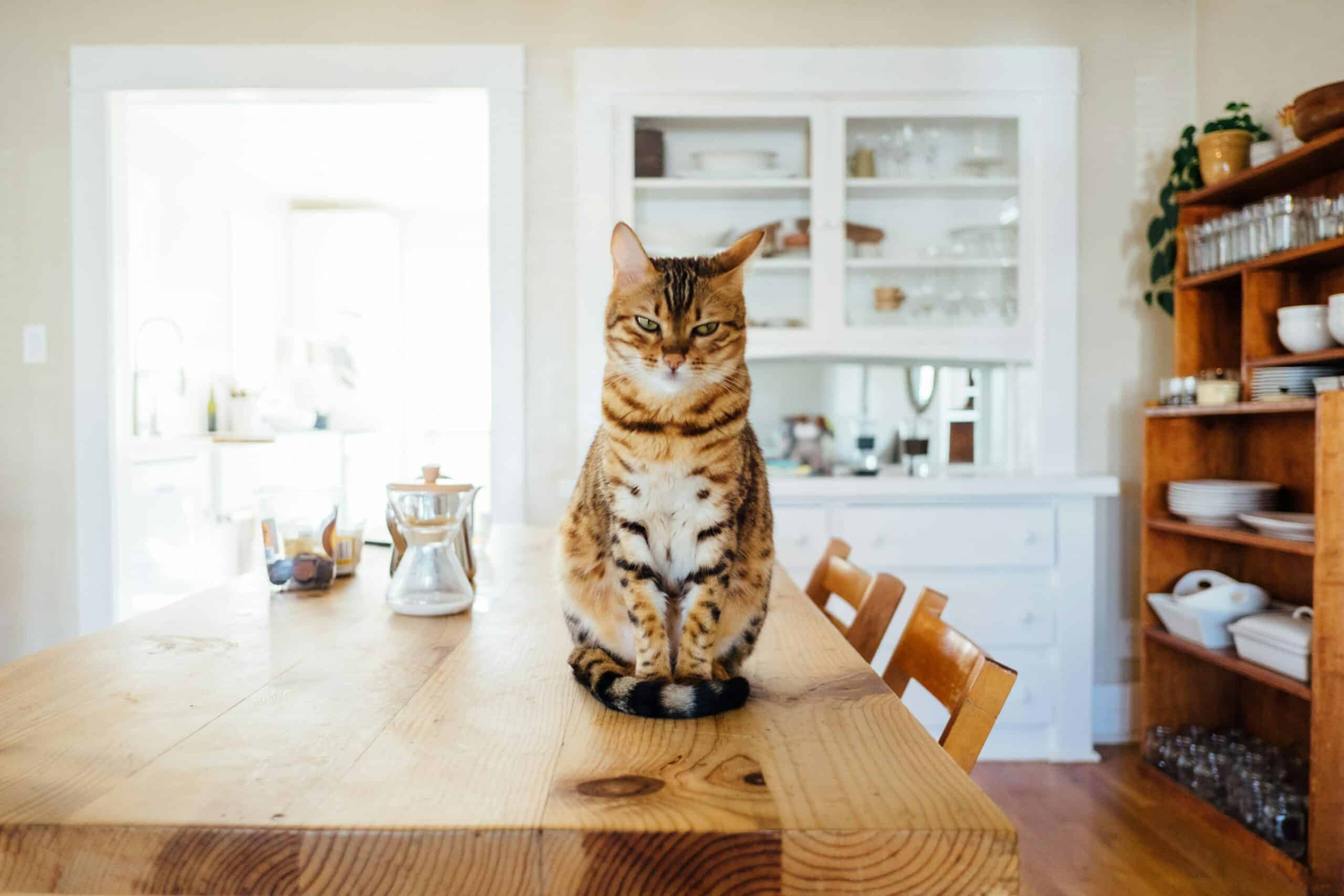
One of the biggest challenges any cat owner will face is the constant struggle of keeping your kitty off the counter. It’s in a cat’s nature to be up high, to play, and to treat your house as their own personal playground. However, we don’t always want our cats jumping up on our furniture, especially counters and tables where we eat or keep food. If you’re wondering how to prevent cats from jumping on counters, look no further! The Cat Clinic at Cherry Hill has a few tips and tricks to stop your cats from leaping up on your counters, tables, and other places you don’t want them jumping.

4 Tips on How to Prevent Cats from Jumping on Counters

So your cat thinks he’s king of the castle. We’ve been there. That doesn’t mean you can’t set a few boundaries to help make your life a little easier! Here are a few ways on how to keep cats from jumping on counters:

  1. First, if you don’t have one, get your kitty a cat tree! Cats simply love to be up high. If you provide a cat tree or another high-up place (such as a window hammock or wall-shelf), your cat might prefer it over your counters. Make the cat tree comfortable and attractive – leave a soft bed, toys, and treats there for your cat to find. Bonus if it includes scratching posts to help your cat stop scratching your furniture, too!
  2. Next, try making your counter an unattractive place for your kitty. Cats love to get up high and knock things over – this is just how they play! Remove food, small objects, and anything else that may be enticing to your cat.
  3. Another solution you can try is putting mildly sticky tape up on your counter. Cats don’t like the feeling of the tape on their paws. After this happens a few times, eventually your cat probably won’t want to jump up anymore. If sticky tape doesn’t work, try tin foil. They don’t like how the aluminum texture feels.
  4. Finally, when your cat jumps on a place that you do deem acceptable, like their cat tree, it’s important to let your cat know they’re doing a great job so they can tell the difference between good places to jump and bad. Cats love positive reinforcement! Treats, pets, and positive tone-inflection in your voice will help your cat learn what places are good for jumping.

The Cat Clinic at Cherry Hill is Here for All Your Cat Needs

If you’re still having behavioral issues with your kitty, don’t despair! Training your kitty isn’t a lost cause! It might help to talk to a vet. They can offer ideas or refer you to a cat trainer who can help. For more information on how to prevent cats from jumping on counters, or to schedule an appointment with us, call the Cat Clinic at Cherry Hill at 856-662-2662.

Holiday Advice for Cat Owners

09.22.23

holiday advice for cat owners

The big holiday months are just around the corner, which means you’re probably gearing up for all the festivities! From cooking and decorating to hosting guests, the holidays can be a busy and stressful time for anyone, let alone people with pets! For cat-owners, the holidays can be a little tricky, especially if your cat doesn’t particularly like social gatherings and you plan on hosting a family get together. That’s why the Cat Clinic at Cherry Hill has put together some holiday advice for cat owners that will help get both you and your kitty through the season as happily as possible!

Best Advice for Cat Owners at the Holidays

Between decorations, weather, guests, and food, there are a lot of new and unfamiliar things that your kitty might encounter this holiday season. Here is some holiday advice for cat owners to help your cat adjust:

  • Know what food is okay for cats — Your kitty might sniff out the food you’re preparing for the celebration, but be careful what they actually eat! Turkey skin, bones, and gravy might make your cat sick. If they’re curious, feed them a small bite of plain turkey meat and see how they react. If they’re okay in a few hours, another bite or two is probably okay, but make sure it’s bone-free.
  • Keep your cats away from toxic plants — Many holiday plants look great in your home, but they’re unfortunately toxic to kitties! Do your research before buying a plant to put in your home, but to start with, cats should avoid interacting with poinsettias, lilies, and evergreen trees.
  • Manage your cat’s social anxiety — If your cat isn’t a people-person, having a lot of guests over may stress them out. To help your cat remain calm, ensure they have their own quiet space away from people where they can hide and stay out of the way. Closing off the upstairs level of your home or even shutting them in your bedroom are great ways to give your cat their own temporary space until the party is over.
  • Be mindful of weather — Most cats don’t like the wet or the cold, but for the curious cat who does, snow isn’t a great idea. Your cat will be okay to poke around in the snow for a minute or two, but anything more than that and your cat could get sick. If it’s too cold for you, it’s too cold for your cat. Plus, if your cat’s fur gets too wet, it might not hold the heat as it’s supposed to. You don’t want your kitty to get hypothermia! 

If Your Cat Seems Sick, Call the Cat Clinic at Cherry Hill!

Even if you follow this holiday advice for cat owners, we all make mistakes! We try our best to protect our kitties from the hazards that accompany the holidays, but sometimes mistakes happen. If your cat eats something they shouldn’t or looks sick from the cold, contact your closest emergency vet immediately. For everything else, give the kitty experts at the Cat Clinic at Cherry Hill a call! Schedule an appointment with us today at 856-662-2662.

Can House Cats Go Outside?

07.23.23

can house cats go outside

Summer is flying by, which means beautiful autumn weather is just about here! The humidity is dying down and you’re ready to brave sitting outside once again. But you’re not the only one longing for some fresh air. What about your cat? Sometimes you can’t help wondering if maybe you should just let it out to explore. Can house cats go outside? Unfortunately, it’s best you keep the door closed on your furry friend.

Why House Cats Shouldn’t Go Outside

The debate on indoor vs outdoor cats isn’t a new one. We see cats outdoors all the time! However, the predominant conclusion about letting your house cat visit the great outdoors is a pretty resounding negative. Here are a few reasons why:

  • The most obvious reason is your cat might wander too far. Our biggest fear about letting our cats outside is that they might go where they shouldn’t and we’ll lose them, or worse, they get hit by a car. Keep your cat safe by keeping them inside.
  • The second most-concerning reason to keep your cat inside is that they’re prone to pick up disease when outside. Just a few of the diseases they might bring back include Feline AIDS (FIV), Feline Leukemia (FeLV), and respiratory infections. Even though our cats are vaxxed against some of these, there is always a risk. 
  • Don’t forget bugs. Cats can bring back fleas, ticks, and ringworm just like dogs can. And unfortunately, kitties aren’t as happy to bathe as a dog might be.
  • Predators. Your cat is a natural born hunter. They might hunt birds, bugs, mice, small frogs, and more. This has a large impact on local wildlife habitats that is unfortunately for the worse and can really affect your local ecosystem.
  • Lastly, while your cat is hunting, your cat may also be hunted. Coyotes, hawks, and other medium-to-large predators are always on the lookout for cats and small dogs. Protect your cat by keeping it inside!

Indoor Cats Live Longer Lives

Your furry friend can have a longer life with you when it stays indoors. Danger from cars, disease, parasites, and predators are just a few factors that contribute to much shorter life expectancies for outdoor cats. If you choose to let your cat outside, it’s best to do so minimally and to keep them on a harness and leash. They also will need to visit the vet regularly for checkups and vaccinations. Schedule regular appointments with The Cat Clinic at Cherry Hill to make sure your cat is still as healthy as possible after it has spent some time outside. Still not sure whether to let your cat outside? Call 856-662-2662 and talk to us to learn more!

Moving with Cats: Tips and Tricks

12.16.21

moving with cats

Moving is one of the biggest life changes a person can make and can be extremely stressful and disruptive. For our cats, this can feel overwhelming and scary. New smells, a new home, a lot of travel time – all these sudden changes can be anxiety-inducing for our cats. Fortunately, there are steps we can take to make our move easier on our cats! The Cat Clinic at Cherry Hill has some tips and tricks to make moving with cats a smooth transition that can keep them as calm and comfortable as possible!

How to Prepare for and Keep Cats Comfortable with Moving

Moving with cats can feel like a huge ordeal for both you and your cat. Try these tips from the Cat Clinic at Cherry Hill to make the transition as smooth as possible.

  • Introduce your cats to the carrier – If your cat isn’t already familiar with a cat carrier, it’s a good idea to introduce them to one prior to the move. This will prevent more anxiety and uncertainty when your moving day finally comes. 
  • Update your cat’s contact info prior to moving – To prepare for the move, update your kitty’s tags with your new address and phone number, if necessary. 
  • Keep your cat in their carrier on the trip – Your cat should hopefully be used to their carrier by now, and this will offer some semblance of familiarity while moving. If your trip is on the longer side, your cat might spend most of it sleeping.
  • Start slow – Once you’re in your new living space, it’s best to introduce your cat to one room at a time. Put items they’re familiar with into one room, like their litter box, toys, food, bed, scratching post, and other things with their scent. Let your cat begin to explore slowly, one room at a time. 
  • Ask your vet for more options – If your cat experiences increased anxiety while moving or after the move, ask your vet for more options on treating anxiety, including medication. 

The Cat Clinic at Cherry Hill and You

If you’re moving to Cherry Hill, The Cat Clinic at Cherry Hill a great option for a new vet’s office for your kitty! We specialize in cat health and offer a variety of healthcare options. Give us a call at 856-662-2662 to set up your first appointment. Moving with cats can have a lasting impact on their attitude and mental health; we can help ease that transition! Schedule your appointment today. We can’t wait to meet your kitty!

Holiday Tips for Cat Owners

10.29.21

holiday tips for cat owners

Spending the Winter Holidays with Your Cat?

Holiday season is just about here, which means the festive atmosphere around your house is starting to amp up! From decorating to cooking, the holidays can be a busy and stressful time for anyone, let alone people with pets! For cat-owners, the holidays can be a little tricky, especially if your cat doesn’t particularly like social gatherings and you plan on hosting a family get together. That’s why the Cat Clinic at Cherry Hill has put together some holiday tips for cat owners that will help get both you and your kitty through the season as happily as possible!

Keep These Holiday Tips for Cat-Owners in Mind

Between decorations, weather, guests, and food, there are a lot of new and unfamiliar things that make their way onto your cat’s radar for the holiday season. Here are some holiday tips for cat-owners to help your cat adjust:

  • Social anxiety — If your cat isn’t a people-person, having a lot of guests over may stress them out. To help your cat remain calm, ensure they have their own quiet space away from people where they can hide and stay out of the way. Closing off the upstairs level of your home or even shutting them in your bedroom are great ways to give your cat their own temporary space until the party is over.
  • Food — Your kitty might sniff out the food you’re preparing for the celebration, but be careful what they actually eat! Turkey skin, bones, and gravy might make your cat sick. If they’re curious, feed them a small bite of plain turkey meat and see how they react. If they’re okay in a few hours, another bite or two is probably okay.
  • Plants — Many holiday plants look great in your home, but they’re unfortunately toxic to kitties! Do your research before buying a plant to put in your home, but to start with, cats should avoid interacting with poinsettias, lilies, and evergreen trees.
  • Snow — Most cats don’t like the wet or the cold, but for the curious cat who does, snow isn’t a great idea. Your cat will be okay to poke around in the snow for a minute or two, but anything more than that and your cat could get sick. If it’s too cold for you, it’s too cold for your cat. Plus, if your cat’s fur gets too wet, it might not hold the heat as it’s supposed to. You don’t want your kitty to get hypothermia! 

If Your Cat is Sick, Call the Cat Clinic at Cherry Hill!

We all do our best to protect our kitties from the hazards that accompany the holidays, but sometimes mistakes happen. If your cat eats something they shouldn’t or looks sick from the cold, contact your closest emergency vet. For everything else, give the kitty experts at the Cat Clinic at Cherry Hill a call! Schedule an appointment with us today at 856-662-2662.

Cats and Plants – Can I Have Both?

05.28.21

cats and plants

Are Plants Toxic to Cats?

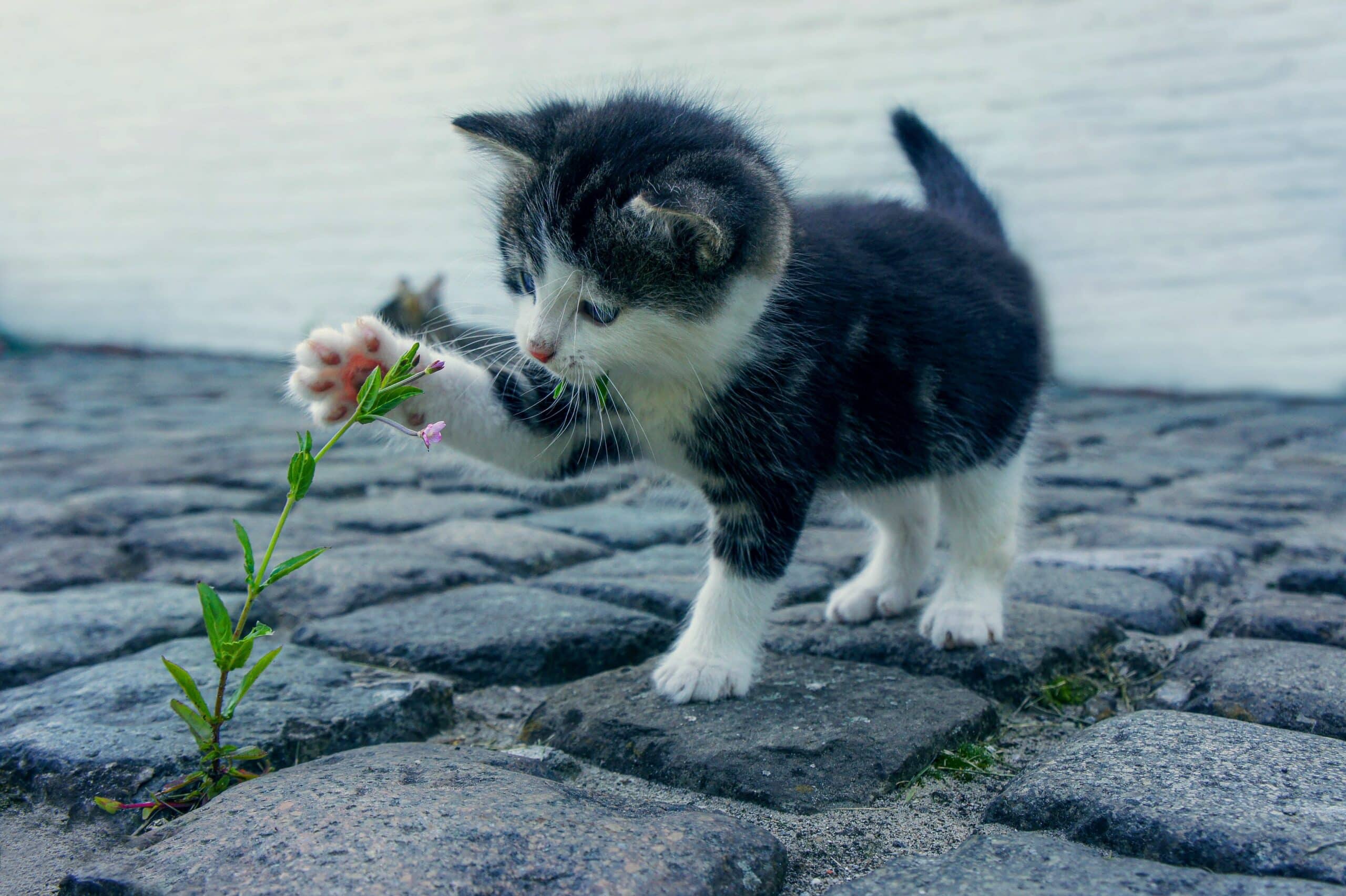
If you’re a cat owner and want to add some greenery to your home, the good news is it’s totally possible! Cats and plants can coexist! However, there are some plants and flowers that are unfortunately toxic to kitties. Here are a few plants and flowers that will make your kitty sick:

  • Daffodils
  • Lilies 
  • Hyacinths
  • Aloe
  • Azalea
  • Cycas like Sago Palm
  • More – Always double check before buying a plant whether it’s toxic to cats

Tips for Living with Plants and Cats

Despite some plants being toxic to your furry friend, it’s 100% possible to have plants in a home with cats. Here are some tips from the experts at the Cat Clinic at Cherry Hill on how to live with both:

  1. Like we stated before, always verify before buying if a plant is toxic to cats
  2. Slowly introduce your cats to plants and see how they react. If they’re largely uninterested, plant to your heart’s content. Train your cats to avoid your greenery as you introduce them to your plants
  3. Hanging plants are a great way to keep your plants out of reach of animals and even children! Just make sure they’re not by any ledges your cat could climb on to reach them
  4. Plant in large/heavy pots so that your cat won’t tip them over
  5. Most cats dislike certain smells or odors. Spray cat repellent scents near your plants to deter your cats. Most pet stores will offer anti-cat odor sprays
  6. If your cat loves to dig, put sticky tape or wire around your potted plants. Your cat won’t like stepping on the material and will avoid coming close to your plant
  7. Get your cat their own plants to play with – cat grass is like catnip and your cat will love it! 
  8. Keep up with plant maintenance – if leaves become long, your cat might mistake them for a toy
  9. If your cat eats your plants, look for signs of lethargy, dehydration, throwing up, and stomach ache. If your cat is sick, call your vet and take them to the closest animal ER.

Want More Info?

The kitty experts at the Cat Clinic at Cherry Hill are here for you! For more information on what plants are toxic or nontoxic to cats, or to learn more about how plants and cats can coexist, visit our website or call us at 856-662-2662. You can also check out our blog for more great tips, tricks, and info about cats!
Cat First Aid Can Save Your Cat

03.26.21

cat first aid

National Pet First Aid Awareness Month

April is National Pet First Aid Awareness Month! As pet owners, we hope no harm ever comes to our feline friends, but unfortunately, accidents and injuries happen. That’s why it’s best to be prepared beforehand! This National Pet First Aid Awareness Month, the Cat Clinic at Cherry Hill has put together some helpful information on cat first aid so you know just what to do in a kitty-crisis.

Every Situation is Different – Be Prepared

From allergic reactions to broken bones, every situation where your cat needs first aid is different, but one thing they have in common is they’re all scary! So here are a few tips to help you keep a level-head so you know what to do in an emergency.

  • First, make sure you are prepared for an emergency. Program your vet’s number in your phone ahead of time so you’re not scrambling to find the number. Educate yourself on your vet’s emergency policies and hours. The Cat Clinic at Cherry Hill can be reached at 856-662-2662.
  • Assess the injury – is there blood? A bite? A broken bone? Approach your cat gently and with caution. A scared and hurt kitty may lash out.
  • Never give your kitty human medication! Most human medication is toxic to cats. When in doubt, wait for vet-prescribed medication.
  • If your cat is bleeding, apply pressure to the wound like you would with human injuries. Elevating the injury is also helpful until you can seek help from the vet.
  • If your cat is unconscious, check their breathing. “Mouth-to-mouth” may be performed on cats if they are unconscious. Information on pet-CPR from the Red Cross can be found here.
  • If your pet has ingested toxic substances, keep labels, ingredients, and other information on-hand so your vet knows exactly what your kitty ate.
  • Transport your kitty immediately and quickly to the vet or 24-hour emergency pet care facility.

Timely Cat First Aid Can Make the Difference

If your cat has been injured or hurt, knowing basic cat first aid can make the difference in your kitty’s recovery. This National Pet Awareness Month, it’s important to educate yourself on what to do in a kitty emergency. For more information on cat first aid, you can contact The Cat Clinic at Cherry Hill at 856-662-2662.

  • 1
  • 2
  • Next Page »

Schedule An Appointment Today!

(856) 662-2662
35 Haddonfield Road
Cherry Hill, NJ 08002

35 Haddonfield Road, Cherry Hill, NJ 08002

(856) 662-2662

  • Home
  • About
    • Our Practice
    • Our Team
    • Our Policies
  • Testimonials
  • Contact Us

©Copyright 2018 Cat Clinic at Cherry Hill, All Rights Reserved