Cat Clinic at Cherry Hill

  • Home
  • About
    • Our Practice
    • Our Team
    • Our Policies
  • Medical Services
  • Testimonials
  • Blog
  • Contact

How to Exercise a Cat

12.11.20

how to exercise a cat

New Year’s Resolutions for Your Cat?

Happy New Year! We’ve all got a few resolutions we’re working on this year, and for many of us, that includes trying to live a healthier life. If you’ve got a cat at home, you want them to be healthy too! However, kitties love treats and they don’t always love exercise. You may be wondering if it’s even possible to exercise your cat. Cats do love to play but can often get bored quickly and flop right down after two minutes of playtime! Here’s a few tips on how to exercise a cat from your friends at The Cat Clinic at Cherry Hill.

A Few Tips on How to Exercise a Cat

Playtime is exercise time, but what do you do when your cat gets bored quickly or just isn’t interested? Here are a few tips on how to exercise a cat:

  • Short sessions a few times per day – Your cat may have a short attention span (don’t we all?), so 10-15 minutes of playtime is all your cat may be interested in. That’s okay! Try playing a few times per day if you have a few minutes here and there. Repeated playtime isn’t just great for your cat’s physical health, but for their mental health, too!
  • Change up the environment – Your cat might just be bored playing in the same area every day. Add new obstacles and toys every once in awhile to liven things up. Switching out your scratching post for a new cat tree may just be the boost your cat needs to feel interested again.
  • Try puzzle toys – Feathers and laser pointers are great, but a bored cat (or a lazy one) might just feel they’ve outsmarted that toy already. Puzzle toys will keep a mindful cat’s interest for longer.
  • Let their toys be the prey – Your cat is a natural predator! They will want to bite, chew, scratch, and chase. If you want your cat to exercise, encouraging this behavior is a great idea! Be prepared for them to chew up or destroy their toys just as you might expect with a dog. It’s natural and not only will it help them stay active, but you’ll notice they’re happier as well!

Concerned for Your Cat’s Health? Call the Cat Clinic at Cherry Hill

If you’re having trouble getting your cat to exercise, or you’re concerned about their health, eating habits, or weight, it’s time to talk to the vet! Call the Cat Clinic at Cherry Hill for more information on how to exercise a cat, our medical services, or to schedule to an appointment at 856-662-2662.

Can I Brush My Cat’s Teeth?

11.20.20

brush your cats teeth

Cats and Dental Hygiene

If you have a kitty, you know cat breath can be pretty stinky. You’re probably wondering “can I brush my cat’s teeth?” The answer is yes! Just like humans, cats need proper dental hygiene to stay happy and healthy. Dental problems like gingivitis are quite common in cats, and similar to human health, poor dental hygiene can lead to other lasting health issues for your kitty. Fortunately, brushing your cat’s teeth is a great way to prevent gum disease and other health issues.

How to Brush Your Cat’s Teeth

Brushing your cat’s teeth may not be the easiest thing in the world, but don’t worry! The Cat Clinic at Cherry Hill is here with a few helpful tips to make it as painless for both you and your kitty as possible:

  1. Make sure your cat is comfortable. Sit them in your lap or in one of their favorite places.
  2. You will need: a special toothbrush and toothpaste. Toothbrushes and cat-friendly toothpaste can both be found at most pet stores. It’s important that you never use human toothpaste or similar products like baking soda or mouthwash.
  3. Especially the first time you brush their teeth, ease your cat into it by letting them sample the toothpaste. Put a little in their mouth so they can adjust to the taste. They may even lick it off your finger!
  4. Brushing is a two-handed activity. Hold the toothbrush with one hand and with the other, gently lift your cat’s lips so you have access to the teeth and their gums.
  5. Just like with human tooth-brushing, use a gentle circular brushing motion on the teeth and gums. Do your best to get the back of their teeth and their upper molars and canines.
  6. Finish up and give your cat a treat for a job well-done! We recommend treats that promote good dental hygiene. They’re tasty and healthy.

The Cat Clinic at Cherry Hill and Your Kitty’s Teeth

Brushing your cat’s teeth is an important part of having a kitty. We recommend brushing every day or several times per week if possible. In addition to brushing your cat’s teeth, it’s important to make sure your cat has an annual professional tooth-cleaning and oral exam performed by a vet. This will keep their teeth, gums, and body healthy. If you have questions on brushing your cat’s teeth or are ready to schedule an oral exam for your kitty, give the Cat Clinic at Cherry Hill a call at 856-662-2662. You can see all the medical services we provide to keep your kitty healthy and happy on our website!

Keep Your Cat Warm this Holiday Season

10.30.20

keep your cat warm

A Warm Kitty is a Happy Kitty

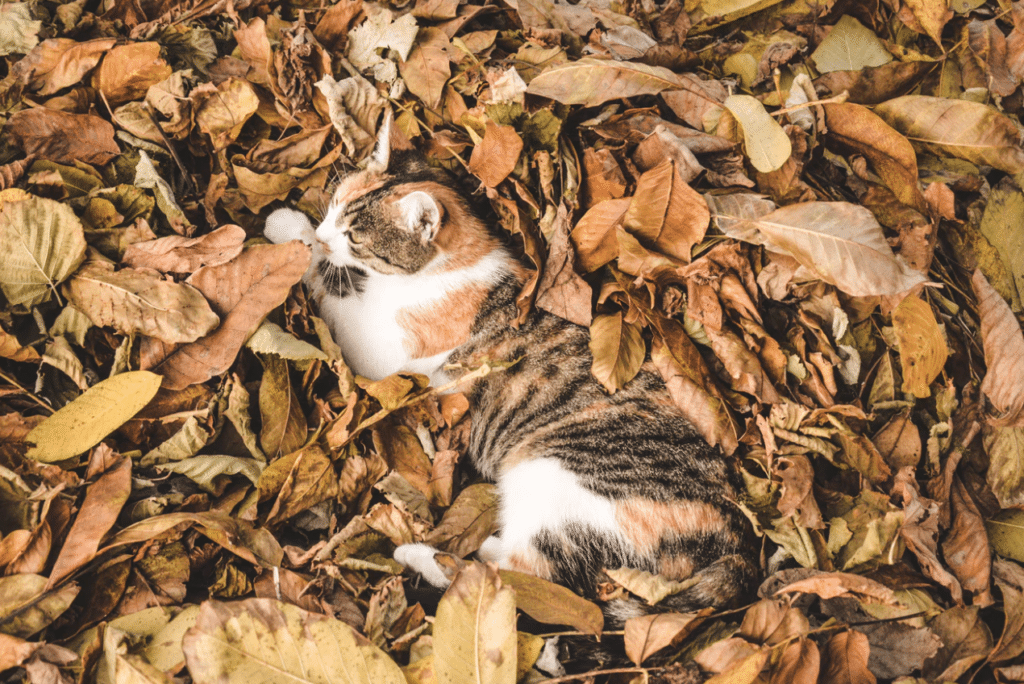
Halloween has come and gone, which means holiday season is upon us and it’s starting to get chilly. If you’ve got a feline friend at home, you may be wondering how to keep your cat warm when the weather gets cold. Anyone who has cats knows that a warm kitty is a happy kitty, so what do you do when your cat’s favorite sunny spots start to disappear this time of year? Not to worry! The Cat Clinic at Cherry Hill has some easy suggestions to make sure your kitty stays nice and toasty this holiday season.

Tips on How to Keep Your Cat Warm

Just because the weather is cold, doesn’t mean your cat has to be! Check out these tips and tricks to keeping your cat nice and toasty:

  1. Check your cat’s usual haunts for drafts and breezes. If your cat likes windowsills, it’s good to make sure the seal is nice and tight, so drafts don’t slip in.
  2. Rugs and shag carpets aren’t just for decoration! If you have tiled or hardwood floors, try putting down some rugs. Your kitty’s feet get cold on the floor just like you, so unless your cat has access to some fuzzy slippers, they’ve probably got cold toe beans.
  3. Consider moving their beds off the floors. Heat rises, so the higher your cat’s bed, the warmer they are.
  4. Heating pads – they’re not just for humans! Pet friendly heating pads exist, so check your local pet store. Your kitty will love cuddling up with a warm heating pad.
  5. Be wary of candles, fires, and open flame. While these are great for keeping us warm, kitties are curious creatures who may get just a bit too close. You don’t want sparks to fly on your cat, or for their long fur to accidentally brush against a flame.

Got Questions? Cat Clinic at Cherry Hill Has Answers

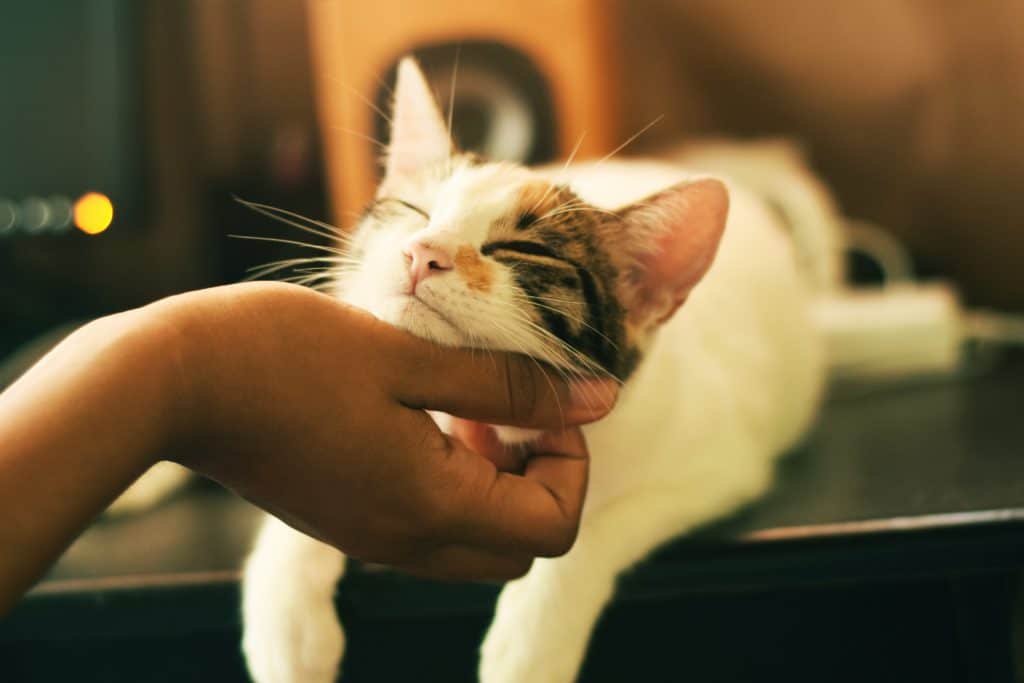
If you’ve still got questions on how to keep your cat warm during the cold weather, give the Cat Clinic at Cherry Hill a call at 856-662-2662. We’re experts on cats and can help you determine what’s safe and what isn’t. And remember – cuddling with your cat is always a great way to keep warm!

Why Are Black Cats Unlucky?

10.01.20

Superstition or Truth: Are Black Cats Unlucky?

It’s just about Halloween, so for the superstitious out there, you may be wondering why black cats are unlucky or if this is just a myth. Of course, you probably guessed! This is just an old spooky tale! Black cats are no more lucky or unlucky than any other kitties. So how did black cats get such a bad reputation? Where did it start? And what does that mean for black cats? The Cat Clinic at Cherry Hill can answer your questions on why black cats are considered bad omens.

Where Did Black Cats Get a Bad Reputation?

  • It’s believed that this superstition began in the Middle Ages. An old European folk tale tells the story of a man and his son who saw a limping black cat and decided to throw rocks at it. The cat ran for cover inside a woman’s house. The nearby people believed this woman to be a witch, and when she appeared limping the next day similar to the injured black cat, the common people thought the witch must be the cat in disguise. Now that’s a tall tale!
  • Black animals were also seen as harbingers of doom. Ravens and crows also have a bad reputation, and this later transferred to black cats as well.
  • In America, this superstition can be traced to the Salem witch trials. Black cats who belonged to women accused of witchcraft were seen as devilish and evil. Witches could even transform into black cats to slink in the shadows and cast evil spells on people while disguised.
  • Just like bats, black cats have been associated with vampires!

Bad Omens are Bad Luck for Black Cats – Ask Cat Clinic at Cherry Hill About Adopting

Black cats are often seen as unlucky and portrayed alongside witches and other bad omens in classic media, and although this might make for a spooky holiday, it’s not always good for the cats. This reputation has made black cats the least likely to be adopted among all cats. This Halloween, you might consider changing the luck for a black cat by adopting it into your forever home. Ask the professionals at Cat Clinic at Cherry Hill for more information on upcoming adoption events and how you might adopt a black kitty this Halloween. Call us at 856-662-2662 or visit our website!

How to Keep Cats from Jumping on Counters

08.28.20

Cats and Counters – Keep off!

Whether you’re a new cat owner or a cat-owning veteran, keeping your cats from jumping on counters is a huge challenge. It’s in a cat’s nature to be up high, to play, and to treat your house as a jungle gym. However, we don’t always want our cats jumping up on our furniture, especially counters and tables where we eat or keep food. If you’re wondering how to keep cats from jumping on counters, look no further! The Cat Clinic at Cherry Hill has a few tips and tricks to prevent your cats from having free range of counters, tables, and other places you don’t want them jumping.

Tips and Tricks on How to Keep Cats from Jumping on Counters

Your cat may think they own the place, but that doesn’t mean you can’t set some boundaries on places they’re allowed to go. Here are a few ways on how to keep cats from jumping on counters:

  1. First, give your cat another outlet for their desire to climb and be up high. Cats love cat trees! If you provide a cat tree or other high-up place (such as a designated shelf), your cat may become so fond of it that they don’t bother with your counters. Make the cat tree comfortable and attractive – leave a soft bed, toys, and treats there for your cat to find.
  2. As a backup or if your cat doesn’t take to a cat tree right away, try making your counter an unattractive place for your kitty. Remove food, small objects, and anything else that may be attracting your cat’s curiosity.
  3. You can also try putting (mildly) sticky tape up on your counter. When they try to jump up, they won’t like the feeling of the tape on their paws and eventually your cat likely won’t want to jump up anymore.
  4. Another product cats don’t like the feeling or sound of is aluminum foil. If sticky tape doesn’t work, try tin foil.
  5. When your cat jumps on a place that you deem acceptable, it’s important to let your cat know they’re doing a great job so they can tell the difference between good places to jump and bad. Treats, pets, and positive tone-inflection in your voice will help your cat learn what places are good for jumping.

Cat Clinic at Cherry Hill and Your Kitty

If you’re still having behavioral issues with your kitty, it might help to talk to a vet. They can offer ideas or refer you to a cat trainer who can help. For more information on how to keep cats from jumping on counters, or to schedule an appointment with us, call the Cat Clinic at Cherry Hill at 856-662-2662.

Can I Cut My Cat’s Nails?

07.23.20

My Cat’s Nails are Getting Long – Is It Okay to Cut Them?

If you’re a first-time cat-owner, you may begin to notice pretty early-on that your cat’s nails are starting to get long. You might be wondering “is it okay to cut my cat’s nails?” The answer is yes! Not only is it okay, cutting your cat’s nails is something you should definitely do to keep your kitty happiest and to avoid them scratching both you and your furniture. Your vet is happy to trim your cat’s nails for you, but it might cost extra and typically needs to be done more often than you might bring your cat in for their checkup. Plus, clipping your kitty’s nails is an easy task that you can do at home!

How Do I Trim My Cat’s Nails?

Trimming your cat’s nails does take some practice, on both your part and your kitty’s. But we’ve put together a helpful guide to make it easier.

  1. Choose a good set of clippers. There are a few types of kitty nail clippers you can get at the store, but it’s also acceptable to use human nail clippers! Just make sure any clippers you use aren’t dull or rusty.
  2. For best results, introduce your cat to the concept of nail trimming when they’re young. The more familiar they are with the clippers and the idea of you clipping their nails, the more willing and calm they will be when it’s time to clip. You can get your cat used to the clippers using treats.
  3. You will need to use your fingers to massage the nail out of the paw. The claws are retractable, so your kitty’s nails will be hiding until you push and hold them far enough out to cut.
  4. Cutting your cat’s nails is similar to cutting your nails… you just squeeze the clippers over the long part and clip!
  5. However, it is important that you do not cut down to the quick. The quick is the pink part inside the nail. This is the sensitive area where the cat’s nerves are. Just cut the white part of the nail. Remember: it’s better to be safe and cut less if you’re afraid of cutting the quick.

Need More Help? Call the Cat Clinic at Cherry Hill

Cutting your cat’s nails is a grooming activity you can do at home, but when in doubt, call the vet. At The Cat Clinic at Cherry Hill, we are more than happy to guide you on the best way to cut your cat’s nails. For more information on the proper way to cut your cat’s nails or to schedule a vet appointment with us, call at 856-662-2662.

Why Does My Cat Keep Scratching Everything?

06.26.20

cat scratching

Why Your Cat is Scratching Your Furniture

All cat owners have been there: you just bought your cat the newest, coolest, and most scratchable cat tree there is to offer. And yet, your cat continues to sink her claws into the couch. You’ve given your kitty every kind of toy and scratching tool to make this stop, yet you’re still wondering “why does my cat keep scratching everything”? It’s an age-old problem. So why do cats keep scratching everything? There are a few reasons your cat keeps scratching:

  • The most obvious reason your cat keeps scratching is because they’re trying to remove the outer layer of their claws. Maybe they’re too sharp and the outer layer is likely dead.
  • Your cat is expending energy. Your cat doesn’t necessarily know the difference between toy and furniture. It’s all a jungle gym to your cat, a place to play and hunt. And boy does your office chair sure look like a fun tree to climb.
  • Marking their territory. Cats can often scratch something to mark their territory. Their scratches don’t just leave a visible mark; they also leave a scent behind.

How To Stop Your Cats from Scratching Everything

So now you have the answer to “why does my cat keep scratching everything.” Next: how do you stop it? It is possible to train your cat to scratch things she’s supposed to scratch.

  • Cats will often choose things to scratch dependent on placement. If possible, try not to hide the scratching posts and cat trees in the corner of the room. Your cat might be choosing your couch because it’s the center of attention. Cats are also likely to choose objects right in an entrance to a room, especially if they’re marking their territory. That’s why your cat often scratches the doorjamb, even when the door is open.
  • To begin, try detering your cat from scratching things you don’t want her to scratch by putting gentle sticky tape or sandpaper on them. Your cat won’t like the texture. You can also put an unfavorable odor on the objects with cotton balls. You can buy these at most pet stores.
  • To help your cat get used to scratching something acceptable, put it at the same height they usually scratch and place it near an object they tend to scratch. So if your cat is scratching the back of the couch, put your scratching posts near the back of the couch and ensure it’s at a about the same height your cat typically scratches. Once your cat is used to the new scratching post or tree, you can start to move it away little by little, but it’s often best to keep it in a close spot. You don’t want your cat to return to old habits.

Cat Still Scratching?

If your cat continues to scratch, there might be a deeper health or behavior issue with your kitty. It’s best to talk to your vet. The Cat Clinic at Cherry Hill can help you understand why your cat keeps scratching. Give us a call at 856-662-2662 to schedule an appointment or to speak with a vet on why your cat might continue to scratch.

Why Does My Cat Keep Throwing Up?

05.29.20

My Cat Keeps Throwing Up – Is This Normal?

If you’re a cat owner, you know all too well that cat vomit can be an unfortunately common part of loving your furry baby. You know the signs – the groans, the choking noises, and then… the vomit. You’re running off for the carpet spray and your cat is walking away, content like nothing even happened. However, what does it mean when your cat keeps throwing up? Is it normal? How much is too much and why does it keep happening? There are many reasons your cat keeps throwing up and, thankfully, most of them aren’t serious.

Reasons Your Cat Keeps Throwing Up

Most common house cats throw up one to three times per month. Here are a few reasons why your cat might keep throwing up:

  • Hairballs. The most common reason your cat keeps throwing up is from grooming. Cats are meticulous groomers. Unfortunately, their stomachs aren’t fond of digesting all that cat hair. If your cat’s vomit is clumpy and hairy, don’t fret. Hairballs may be gross, but they aren’t reason for concern.
  • Eating too quickly. Like humans, if cats eat too much too quickly, they may become sick. Especially in multi-cat homes where they feel territorial over their food, cats often will eat too quickly. If your cat throws up after eating, but appears fine the next minute, this is probably the reason. Try giving your cat smaller portions of food spread throughout the day or separating your cats’ food bowls if you have multiples cats.
  • Your cat ate something cats should not be eating. Cats are curious creatures and will try to eat things they shouldn’t. Toilet paper, human food, toys, grass… the list is endless. If your cat is a curious eater, it’s a good idea to cat-proof inedibles as much as possible.
  • Allergies. If your cat appears to be throwing up after eating, another possibility is they’re allergic to something in their food. This is not at all uncommon. They may also be having trouble adjusting to the food, if it’s new. When trying out a new food, ease them into it by weaning them off the old and onto the new by mixing the two foods together at first.

When Is It Time to See the Vet?

The above reasons are all common occurrences in household cats. If your cat throws up and appears unbothered shortly after, monitor the situation, but don’t be alarmed. If it happens multiple times per week, a call to the vet might be in order. However, if your cat vomits multiple times over multiple days, becomes distant and isn’t eating, or you notice blood in your cat’s vomit, call the vet immediately. These are signs of more serious sickness or that your cat might have eaten something dangerous or poisonous. If you’re not sure and are worried about why your cat keeps throwing up, call The Cat Clinic at Cherry Hill at 856-662-2662. We are always happy to help and want your cat to be healthy. In the meantime, give your kitty lots of love and invest in some good carpet cleaner!

How to Stop Your Cat from Waking You Up at Night

04.24.20

Cat Clinic at Cherry Hill

Why Does My Cat Keep Waking Me Up?

We’ve all been there. You’ve finally gotten to sleep and are in the middle of a great dream, when all of a sudden, a loud meow wakes you up. Or a cat sitting on your head. Or scratching at the door. Whichever method your cat uses to wake you up at 3AM, you’re probably pretty fed up. If you’re wondering “why does my cat keep waking me up,” there are a few possibilities. The first is the age-old explanation: cats are nocturnal creatures and in their natural state, they hunt at night. However, domesticated cats typically cater their schedules to their humans’. Usually if cats wake you up at night, it’s because they want or need something.

How to Stop Your Cat from Waking You Up

Whether your cat wants food, attention, or playtime, it’s important to recognize what your cat needs so you can fix it and finally get back to sleep! Here are a few things to try to get your kitty on the same schedule as you or at least let you sleep.

  • Your cat may be hungry – if your kitty is meowing at you in the middle of the night, they could be hungry. Depending on your cat’s feeding schedule, consider an automatic feeder. This is particularly helpful if your cat can pace themselves throughout the day. If your cat is an overeater or eats all their food at once, try giving them a little treat just before you go to bed. This should hold them over until morning.
  • Your cat has too much energy – if your cat is restlessly walking on you or scratching at your door, there’s a good chance they want to play. Playing with your cat an hour before bed can help calm them through the night. Doing this every night will create a habit in your cat and an expectation that after playtime is over, it’s time to sleep.
  • “Give me attention!” – If your cat lays on your head at night, it’s possible they just want attention. Especially for owners that are away from home all day, your cat misses you and needs attention just like a person might. Spend some scheduled and habitual quality cuddle time (or playtime) with your kitty to prevent them from waking you up.
  • If you’re a restless or light sleeper, it may be best to not let your cat sleep with you. Create a space for your cat outside of your room where they can eat, play, and use the litter box. Your cat will recognize that whatever it needs is not in your bedroom.

Still Being Woken Up by Your Cat?

If you’ve tried all this and are still being woken by your cat in the middle of the night, it may be time to consult a vet or a trainer. For more information on how to get your cat to stop waking you up in the middle of the night, or to schedule a vet appointment, call the Cat Clinic at Cherry Hill at 856-662-2662. Or you can check out our blog for more helpful cat tips!

Working from Home with Your Cat

03.27.20

Working from Home isn’t Working – My Cat is Distracting Me!

In wake of recent events, many people have found themselves working from home. To some, this is relief and a perk. To cat owners, however, working from home can be a challenge. Although cats are often stereotyped as self-serving and independent pets, we as cat owners know they can be just as needy as any dog or child. Meowing during conference calls, plopping down on your keyboard and work materials, and knocking over your water – they’ll do whatever it takes to make sure you know they are your number one priority. It’s enough to distract anybody from their work, but it doesn’t have to be this way. The cat experts at Cat Clinic at Cherry Hill have a few solutions to help you work from home as efficiently as you do in the office, even with your kitty by your side.

We Can Work This Out – Tips for Working from Home with Your Kitty

When you work from home, your attention isn’t always on your kitty. When your cat begins to cause a ruckus, it just means they want to feel included. Here are some tips to distract, placate, and include your cat during your work-from-home routine:

  • Give your cat her own space. First things first: to ensure your cat doesn’t walk all over your keyboard or lay on your freshly inked notes, it’s important to give your cat her own space. This may be setting her bed next to yours or laying out “decoy” work materials for your cat to lay on. An old keyboard you no longer use or an irrelevant notebook placed next to you act as great spots to distract your cat.
  • If your cat isn’t buying it, create her own space in your vicinity, but out of reach. Sometimes our kitties want to be close to us, but the only option is in our lap. Make sure you are out of petting range to take away the temptation of crawling over your stuff.
  • Your cat needs to play! When you get home from work, you probably typically give your cat attention. When you’re working from home, your cat doesn’t know the difference. Play with your kitty on your lunch break, and better yet, set up playtime options that don’t involve you. Puzzle toys are great for keeping your kitty entertained without your help.

Get to Work!

Having your beloved kitty near you while you work should be a comfort, not a headache. If you have more questions about how to keep your cat occupied while you work from home or would like to schedule an appointment for your kitty, contact the Cat Clinic at Cherry Hill at (856)- 662-2662. Happy working!

  • « Previous Page
  • 1
  • …
  • 5
  • 6
  • 7
  • 8
  • 9
  • …
  • 13
  • Next Page »

Schedule An Appointment Today!

(856) 662-2662
35 Haddonfield Road
Cherry Hill, NJ 08002

35 Haddonfield Road, Cherry Hill, NJ 08002

(856) 662-2662

  • Home
  • About
    • Our Practice
    • Our Team
    • Our Policies
  • Testimonials
  • Contact Us

©Copyright 2018 Cat Clinic at Cherry Hill, All Rights Reserved