Cat Clinic at Cherry Hill

  • Home
  • About
    • Our Practice
    • Our Team
    • Our Policies
  • Medical Services
  • Testimonials
  • Blog
  • Contact

Tips for Traveling With Cats: How to Make the Journey Comfortable and Safe

11.20.25

tips for traveling with cats

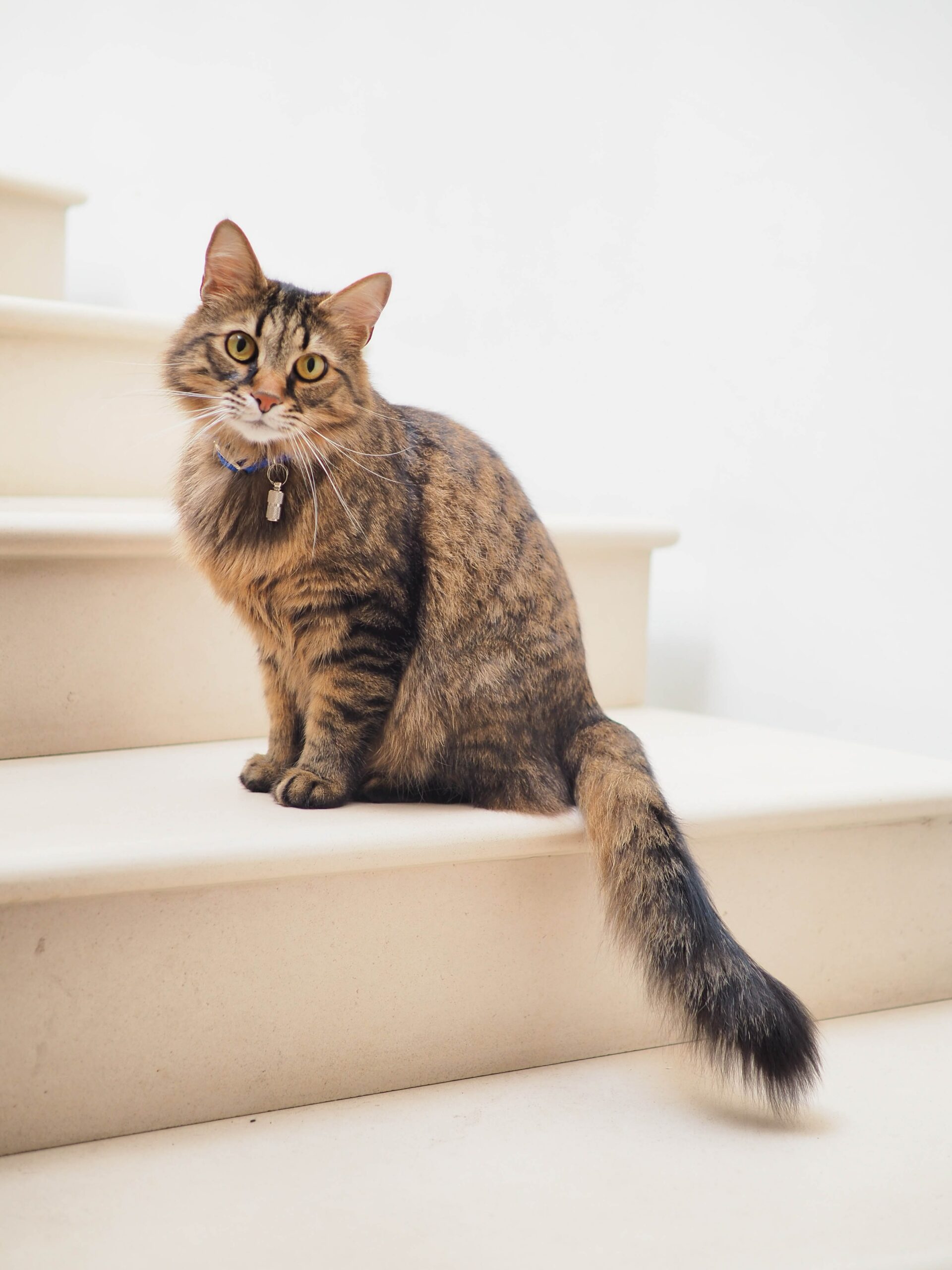
Holidays are a time for visiting loved ones and spending time with family, but if you have a cat, you know between daycare, separation anxiety, or financials, it can be difficult to leave your furry friend behind. However, traveling with cats can be a challenge, especially if your feline companion prefers routine and quiet spaces. If you’re traveling with your cat this holiday season, preparation is key. With the right strategy, you can ensure a calm, safe, and stress-free experience for both you and your cat. Here are some expert tips for traveling with cats.

Start With Carrier Training

A comfortable, secure carrier is the most important part of traveling with your cat. Begin training days or weeks before the trip:

  • Leave the carrier open at home so your cat can explore it on their own.
  • Place blankets, toys, or treats inside to create a positive association.
  • Practice short “mock trips” around the house or in the car to help your cat adjust to movement and confinement.

A cat that feels safe in their carrier will travel more peacefully and experience far less stress.

Prepare Your Cat Before the Trip

A little preparation goes a long way. Make sure you:

  • Schedule a checkup before long trips, especially if your cat has existing medical concerns.
  • Update vaccinations and keep a copy of medical records handy.
  • Avoid feeding large meals right before travel, which can help prevent motion sickness.
  • Microchip your cat and ensure their ID tag is current, just in case.

Keep the Car Environment Calm

If you’re planning to drive somewhere with your cat, keep in mind your cat will need time to adjust to the car. Cats are highly sensitive to sound, movement, and changes in routine. To reduce anxiety during the drive:

  • Secure the carrier with a seatbelt to prevent sliding.
  • Keep the car temperature comfortable.
  • Play soft music or keep the environment quiet.
  • Never open the carrier while the car is moving or doors are open.

Some cats benefit from pheromone sprays or calming supplements. Ask your veterinarian if these may be helpful.

Plan for Breaks and Comfort

During longer trips:

  • Offer water during rest stops, especially in warm weather.
  • Bring familiar bedding to maintain a sense of security.
  • Never leave your cat unattended in a parked vehicle, even for a short time.

If you’re staying overnight, choose pet-friendly accommodations in advance and create a safe, contained space for your cat once you arrive.

Air Travel Considerations

If you need to fly with your cat, check airline requirements carefully. Most airlines allow cats in the cabin in an airline-approved carrier. Always confirm:

  • Carrier size and weight limits
  • Necessary health certificates
  • Check-in and security guidelines

Flying can be stressful for cats, so consult your veterinarian before booking your trip.

Trust the Cat Clinic at Cherry Hill for More Tips on Traveling with Cats

At The Cat Clinic at Cherry Hill, we know that every cat is unique, and so are their travel needs. Our feline-focused veterinarians can help you prepare for your trip with personalized advice, preventive care, and strategies to keep your cat calm and safe on the road or in the air. If you’re planning to travel with your cat this holiday, let us help make the journey smoother. Call us at (856) 662-2662 to schedule your pre-travel consultation today.

How to Help Cats During the Holidays

12.23.24

how to help cats during the holidays

The holiday season is here, which means you’re probably gearing up for all the cheery festivities! Whether you’re hosting guests or traveling away from home, the holidays can be a busy and stressful time for anyone — especially people with pets. For cat owners, the holidays can be a little tricky, especially if your cat doesn’t particularly like social gatherings and you plan on hosting a family get together. That’s why the Cat Clinic at Cherry Hill has put together some tips for how to help cats during the holidays to get both you and your kitty through the season as happily as possible!

Helping Cats During the Holidays

Between food, guests, weather, and all the decorations, there are a lot of new and unfamiliar things that your kitty might encounter this holiday season. Here are a few tips for cat owners to help your cat get through the holidays with minimum stress:

  • Work with your cat’s social anxiety — If your cat isn’t a people-person or is pretty skittish, having a lot of guests over might stress them out. To help put your cat at ease, ensure they have their own quiet space away from people where they can hide and stay out of the way. Closing off the upstairs level of your home or even shutting them in your bedroom are great ways to give your cat their own temporary space to feel safe until the party is over.
  • Research what food is okay for cats — Your kitty might sniff out the food you’re preparing for the celebration, but be careful what they actually eat! Turkey skin, bones, and gravy might make your cat sick. If they’re curious, feed them a small bite of plain turkey meat and see how they react. If they’re okay in a few hours, another bite or two is probably okay, but make sure it’s bone-free.
  • Keep your cats away from toxic plants — Many holiday plants look great in your home, but they’re unfortunately toxic to kitties! Do your research on plants that are toxic to cats; to start with, cats should avoid interacting with poinsettias, lilies, and evergreen trees.
  • Be mindful of weather — Most cats don’t like the wet or the cold, but for the curious cat who does, snow isn’t a great idea. Your cat will be okay to poke around in the snow for a minute or two, but anything more than that and they could get sick. If it’s too cold for you, it’s too cold for your cat. Plus, if your cat’s fur gets too wet, it might not hold the heat as it’s supposed to. You don’t want your kitty to get hypothermia! 

If Your Cat Seems Sick, Call the Cat Clinic at Cherry Hill!

Even if you follow these tips on how to help cats during the holidays, remember that mistakes happen! We try our best to protect our kitties from the hazards that accompany the holidays, but we can’t always predict everything that might go wrong. If your cat eats something they shouldn’t or looks sick from the cold, contact your closest emergency vet immediately. For everything else, give the kitty experts at the Cat Clinic at Cherry Hill a call! Schedule an appointment with us today at 856-662-2662.

Keep Cats Calm for the Vet

02.03.23

keep cats calm for the vet

When it comes to visiting the vet, most pets aren’t too keen to take the trip. However, we know more than most that cats can prove especially difficult. From the carrier to the fighting to get in the car to post-visit grumpiness, every cat handles a trip to the vet a little bit differently. Fortunately, there are some tried and true ways to keep cats calm for the vet and make this process a whole lot less painful both for your kitty and for you!

Tips on How to Keep Cats Calm for the Vet 

Your cat might not like a trip in the car, so they might start to get anxious as soon as you get the carrier out. That’s okay! Here are a few things to help get your cat accustomed to all the things a vet trip might entail:

  • Set the carrier out in advance – your kitty knows when the carrier comes out, it’s time for a trip, so try setting the carrier out in advance or making it part of your kitty’s normal environment. This will help them get accustomed to seeing the carrier and even being inside it
  • Handle your kitty the way the vet might – if your cat is used to being examined or groomed, a trip to the vet won’t be so anxiety inducing. Ask your vet for tips on how to cut nails, examine their bellies and mouths, and properly handle your cat. By the time they’re seeing the vet, they’ll be used to it!
  • Don’t let your own stress show – your vibe is contagious! If you’re stressed about the visit, your cat will mirror it. Keep calm and reassure your cat with pets, soft words, and treats. Your stress will be one less thing for your kitty to worry about!

Need a Great Cat Vet? Try the Cat Clinic at Cherry Hill!

If you’re struggling to find a great vet for your cat, then look no further. The vets at the Cat Clinic at Cherry Hill are experienced cat experts who know exactly how to keep your kitty calm, cool, and collected. Once you visit our practice, you are sure to find that the knowledgeable and caring staff at The Cat Clinic at Cherry Hill have years of experience in making anxious felines feel completely at ease! For more information on cats or our practice, call us at 856-662-2662 or follow our blog!

Why Do Cats Thump Their Tails?

12.02.22

why do cats thump their tails?

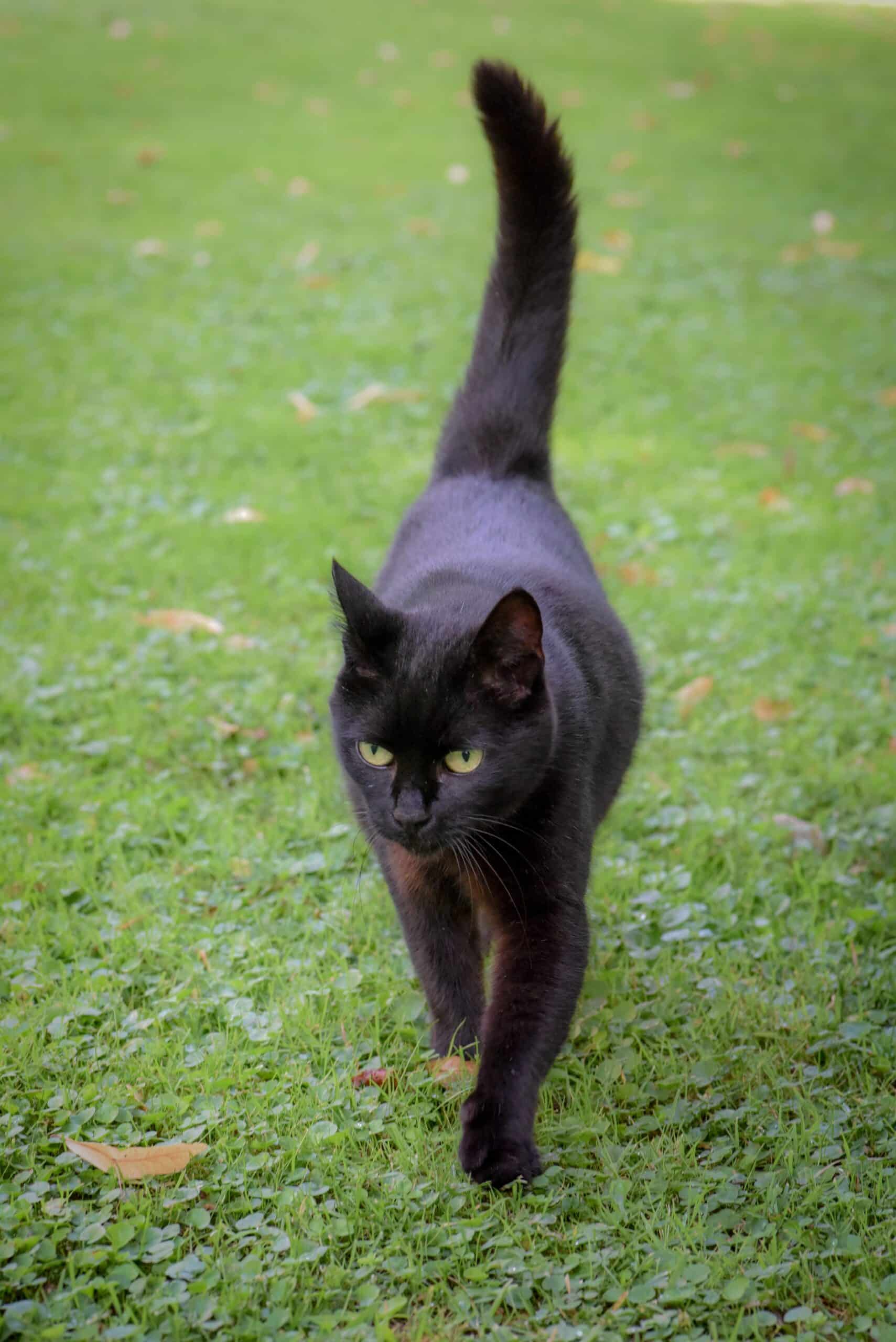
Reading animal behavior can sometimes be frustrating and confusing. If only our animals could speak! Cats, especially, can feel difficult to read. Dogs often offer a smile when they’re pleased, and everyone knows that when they wag their tails, they’re happy to see you! But what about cats? If you’re searching “why do cats thump their tails?” then you’re not alone! What exactly does it mean when a cat wags or thumps its tail? Is it a warning sign they’re mad or a gesture of affection? The cat experts at the Cat Clinic at Cherry Hill are here to help!

4 Reasons Cats Thump or Wag Their Tails

The way a cat moves its tail is one of the most expressive signs a cat can give to you. But learning to read the different movements can be tricky! Luckily, we’re here to help you assess why do cats thump their tail?

  1. A big thump of the tail on the ground can mean your cat isn’t really in the mood for whatever you’re doing. Whether that’s cuddles, playing, or petting it, your cat thumping its tail on the ground a few times is its way of saying “stop please!” It’s best to just give your cat some space.
  2. If your cat’s tail is pointing upward and they seem to be waving it around in the air, then good news! Your cat is in a great mood! They’re likely saying hello or feeing playful. This is a great time to play with your cat and give it some enrichment. They’ll likely respond rather positively.
  3. When your cat is laying down, if its tail is swishing on the ground instead of thumping like in the first example we gave, then your cat is probably content. Feel free to pet and cuddle your cat.
  4. Lastly, if your cat’s tail is twitching and vibrating in the air, then your cat is excited! Maybe you just opened a can of tuna and your kitty knows exactly what that means… a delicious meal! A vibrating tail is usually a very good sign, but careful! Your cat may be feeling super playful and ready to pounce…

For More Cat Behavior Tips Check out the Cat Clinic at Cherry Hill

Understanding cat behavior and training your cat can be difficult, but neither is impossible! At the Cat Clinic at Cherry Hill, we are cat experts who specialize in all things cat behavior and health. For more information on cat behavior, training, and other tips, you can check out our blog! And if you need a great cat veterinarian for a number of medical services, give us a call at 856-662-2662. 

Moving with Cats: Tips and Tricks

12.16.21

moving with cats

Moving is one of the biggest life changes a person can make and can be extremely stressful and disruptive. For our cats, this can feel overwhelming and scary. New smells, a new home, a lot of travel time – all these sudden changes can be anxiety-inducing for our cats. Fortunately, there are steps we can take to make our move easier on our cats! The Cat Clinic at Cherry Hill has some tips and tricks to make moving with cats a smooth transition that can keep them as calm and comfortable as possible!

How to Prepare for and Keep Cats Comfortable with Moving

Moving with cats can feel like a huge ordeal for both you and your cat. Try these tips from the Cat Clinic at Cherry Hill to make the transition as smooth as possible.

  • Introduce your cats to the carrier – If your cat isn’t already familiar with a cat carrier, it’s a good idea to introduce them to one prior to the move. This will prevent more anxiety and uncertainty when your moving day finally comes. 
  • Update your cat’s contact info prior to moving – To prepare for the move, update your kitty’s tags with your new address and phone number, if necessary. 
  • Keep your cat in their carrier on the trip – Your cat should hopefully be used to their carrier by now, and this will offer some semblance of familiarity while moving. If your trip is on the longer side, your cat might spend most of it sleeping.
  • Start slow – Once you’re in your new living space, it’s best to introduce your cat to one room at a time. Put items they’re familiar with into one room, like their litter box, toys, food, bed, scratching post, and other things with their scent. Let your cat begin to explore slowly, one room at a time. 
  • Ask your vet for more options – If your cat experiences increased anxiety while moving or after the move, ask your vet for more options on treating anxiety, including medication. 

The Cat Clinic at Cherry Hill and You

If you’re moving to Cherry Hill, The Cat Clinic at Cherry Hill a great option for a new vet’s office for your kitty! We specialize in cat health and offer a variety of healthcare options. Give us a call at 856-662-2662 to set up your first appointment. Moving with cats can have a lasting impact on their attitude and mental health; we can help ease that transition! Schedule your appointment today. We can’t wait to meet your kitty!

How to Train a Cat to Sit in 5 Steps

11.22.21

train a cat to sit

The old saying goes “you can’t teach an old dog new tricks”, but what about a cat? It’s a common misconception that cats aren’t trainable or that they’re too independent to listen to their owners. Cats are extremely smart and clever, and many are eager to play and learn! Training a cat to do tricks is not only possible, but in some cases, pretty easy. Of course, it’s best to start with something cats already do naturally: sitting! That’s why the Cat Clinic at Cherry Hill is here with a few tips on how to train a cat to sit.

Train a Cat to Sit in 5 Easy Steps

Cats, like dogs, are typically pretty motivated by the promise of treats. So get a few treats ready and in just 5 easy steps, you should be able to train a cat to sit in no time!

  1. When your cat sits, at the same time, say “sit.” If your cat is responsive to its name, you can say your cat’s name first, then give the sit command. 
  2. Give your cat a treat when it sits and has heard you say the command, even if your cat did not intentionally sit because you said “sit.” This is great positive reinforcement that your cat will begin to associate with the act of sitting as well as with the command “sit”.
  3. Praise your cat with words and pets as well as treats! The more positive reinforcement the better.
  4. If your cat begins to grasp how to sit on command, it’s great to introduce a hand motion, too, like holding your hand (with a treat) above its head. Your cat will look up at your hand and naturally be inclined to sit on its butt. 
  5. Train 2-3 times per day for several minutes. Repetition will help your cat learn what to do!

For More Tips on Training, Call the Cat Clinic at Cherry Hill!

Cats are smart animals who love to play, so training them can be fun for both you and your cat! If you’ve mastered how to train a cat to sit, then you can start moving on to other fun tricks, like high-five, shake, and even rolling over. The steps offered above work great for any tricks you want to teach your cat, but for more awesome training tips, or if you have questions about behavioral training, contact the experts at the Cat Clinic at Cherry Hill! You can call us at 856-662-2662 or check out our blog for more tips and tricks about living with cats!

Adopt Double for Less Trouble!

05.11.17

Cat Clinic At Cherry Hill adopt two cats

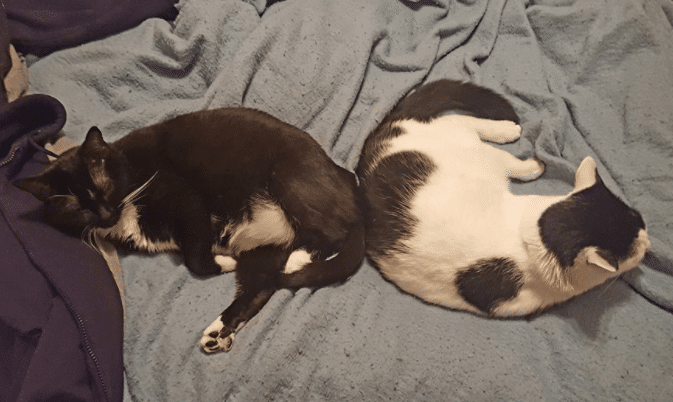
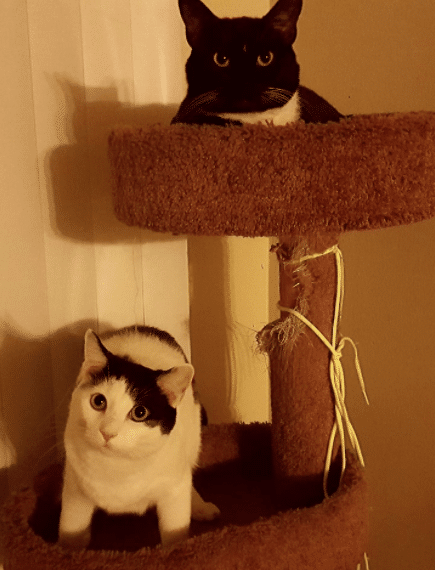
Our cats keep us endlessly amused with their adorable, zany behavior. Games of chase with strings, laser pointers, and jingly toys are great fun not only for the cat owner, but for the frisky feline himself. All of that activity gives him good exercise and ample mental stimulation. However, you can’t always be in the house to keep kitty entertained. Whether it’s the daily grind of going to work, trips to the grocery store, or other day-to-day errands, these frequent absences quite often leave pets bored, lonely, and inactive. And while it’s not necessary to get a sitter for the few hours you’re away from home, no one wants to leave their pet all alone for long–that’s why we at the Cat Clinic at Cherry Hill strongly urge those looking to add a new four-legged family member to adopt two cats instead of just one!

Safety in Numbers

Although our feline friends tend to have the reputation for being independent, low-maintenance pets, they really aren’t total recluses–they need social interaction just like we do! When left all by themselves in the house, some cats might try to liven things up by getting into things they shouldn’t or becoming destructive. “No one’s around to play? Well, these curtains look like they could be fun…” They also run the risk of consuming things that aren’t meant to be consumed (in which case you should immediately take them to your Cherry Hill cat veterinarian).

When there’s a buddy around, the companionship of an extra kitty will keep your cat happy and occupied. They can even keep each other in better health! Cats that reside with a fellow feline typically live longer, are ill less often, and are kept in good shape from all of the playtime and exercise. There’s also the obvious benefit of getting to watch the hilarity that ensues during their rough and tumble antics!

Adopt two cats Cat Clinic at Cherry Hill

The Cat Veterinarian Cherry Hill Residents Trust

However many kitties you end up adopting, we highly recommend bringing your cats to the veterinarian twice per year to keep the dynamic duo healthy and happy for years to come. The doctors at the Cat Clinic at Cherry Hill provide full-service veterinary care exclusively for cats, which means you don’t have to worry about other large or noisy pets spooking your feline friends in the waiting room. You can also rest assured that your beloved companions are in the very best hands–we care about them as much as you do! Book an appointment for your furry family members by contacting the office and speaking with one of our friendly staff; we can’t wait to meet them!

Show Your Cat Some Love!

02.09.17

Cat Clinic at Cherry Hill

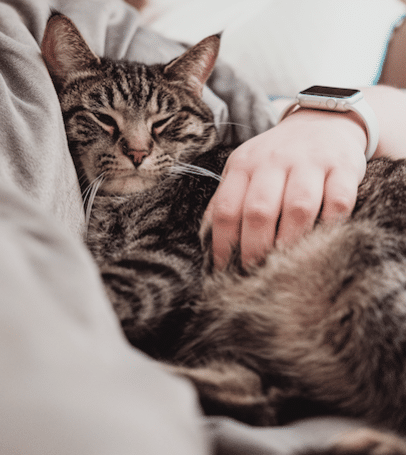
February is a month typically associated with two things: acts of love and lousy weather. We’d like to take some time to discuss both and how they relate to your feline family members! With Valentine’s Day fast approaching, there’s no better time to show your cat some extra attention–especially as temperatures drop to teeth-chattering levels. As your trusted Cherry Hill cat veterinarian, we’ve got some suggestions on how you can make your cat feel the love this month.

Make more time for play. If you let your kitty enjoy the great outdoors during the warmer months of the year, chances are she’s feeling a bit restless staying indoors 24/7. Keep your friend physically active and mentally stimulated with interactive food puzzles, laser pointers, and fun toys. These activities will keep her in good shape and high spirits!

Spread the warmth. No one likes shivering in a cold room, including your furry friend, so keep the chill out of the house. This is especially important for old or arthritic cats that can’t tolerate cold temperatures as well as they might have in their younger years. If your pet typically lounges on the floor, be sure to keep him comfortable with a cozy blanket or an elevated bed. For added protection from icy drafts, install weatherstripping on the doors and windows.

Don’t be stingy at mealtimes. You never want to overfeed your pet, but winter is the time many animals burn extra calories to preserve body heat. Your cat is dependent upon you for proper nutrition–make sure she is getting enough to eat, and be consistent with her feeding schedule. Unsure of how much food you should be doling out? Schedule a consultation with the cat veterinarian Cherry Hill residents rely on for all of their feline questions and concerns.

Show you care–DON’T share. If you’ll be giving or receiving flowers and chocolates this holiday, make sure they are out of kitty’s reach. As we mentioned in our previous blog about cat safety during holidays, some food and decorations can be quite dangerous for pets!  Candy and pretty floral arrangements might be a romantic gesture for humans, but it’s best to keep them away from your four-legged friends; furthermore, dispose of all wrappers, strings, and bows right away. If you really want to give your feline a special gift on Valentine’s Day, we recommend offering her a catnip toy or a tasty treat from your local pet store.

Valentine’s Day is the perfect occasion for showing love and kindness to the special people in our lives; why not extend the same courtesy to your beloved pets? You can always call the Cherry Hill cat veterinarians with any inquiries, so don’t hesitate to get in touch if you need our medical services. We hope everyone has a fabulous February with loved ones!

Summer Vacation Time: Caring for the Cat

08.09.16

Screen Shot 2016-07-19 at 11.20.07 AM

The day of departure for that long-awaited vacation has finally arrived! You busy yourself stuffing an extra tube of sunscreen in your suitcase, making sure all of the windows in the house are shut and locked, and printing out your boarding pass. You’re grabbing the car keys and checking the time when suddenly you hear a questioning “meow” at your feet. What have you planned for your cat while you’re away? Will he stay home with a sitter, or have you arranged to leave him at a boarding facility? If there’s one thing that you should avoid doing at all costs, it’s leaving him home alone with just a bowl of food and water—even if it’s only for a couple of days.

Why can’t my cat be left home alone?

Although cats have a reputation for being largely self-reliant and capable of getting along well on their own, there are quite a few issues that could arise if you were to leave your pet alone in the house for an extended period of time. First and foremost, our feline friends are notorious for disliking sudden and unexpected changes in their daily lives. When he notices your absence, your cat will likely feel stressed and anxious, possibly exhibiting out-of-the-ordinary destructive behaviors. This could also be a result of boredom, as cats enjoy and require adequate stimulation throughout the day. If you aren’t around to play with him, don’t be surprised if you come home to find shredded rolls of toilet paper in the bathroom or clawed up curtains.

What about his feeding schedule? Left with only a bowl of food and stale water, your pet could overeat and get sick; on the other hand, he could be too upset to eat at all. A cat that is accustomed to getting fed at a regular time twice per day will not make a smooth transition to this kind of change.

Make sure your cat is cared for.

Your kitty might be an independent spirit, but he still relies on you for food and love. When you’re not around to fulfill those requirements, make sure that someone else is! It could be a neighbor or a professional pet sitter—as long as he or she is reliable and responsible. Your other option is to leave your four-legged friend at a reputable boarding facility or pet lodge. If you are in need of a recommendation, feel free to consult your trusted cat veterinarian! The experienced and caring team at the Cat Clinic at Cherry Hill would be happy to help you determine the best course of action as you plan your summer getaway.

Making the Most of Your Cat’s Golden Years

07.11.16

Screen Shot 2016-07-01 at 3.48.18 PM

Tiny ears perked up at attention; round, curious eyes that take in your every movement; fast-as-lightning paws that skid and scurry across the floor; it’s easy to become enamored with kittens and their adorable antics. Sadly, it’s just as easy for the enchantment to fade as kittens grow into adults and eventually seniors. A responsible pet owner understands that adopting a four-legged family member is a lifetime commitment! Your cat relies on you for proper care during every stage of life, including the “golden years” when she’s not quite so spry anymore. Regardless of your senior cat’s slower pace of life, you can still do your part to keep her healthy, happy, and well-loved.

Maintain Your Feline’s Fitness

A fat cat might strike some as a comical sight, but health problems are anything but funny. Doting cat owners often think that giving their kitties plenty of tasty tidbits is the best way of showing them love; don’t go overboard! There’s nothing wrong with giving your pet a treat every now and then (and it can certainly do wonders in gaining his trust and affection), but too much food will pack on the pounds. There’s a difference between “pleasantly plump” and obese—obesity can shorten a cat’s life, limit his mobility, make him lethargic, and cause a number of other health issues. Let him live to a ripe old age by keeping him fit and frisky!

Playtime is Still Important

It doesn’t take much convincing to get a kitten to chase a bit of yarn or a laser pointer. Older cats, however, tend to give the impression that they can’t be bothered with such nonsense. Encourage your senior cat’s playful side as best as you can with stimulating toys (homemade or storebought!) and fun objects to climb or crawl into. Make sure the activities are low-impact and don’t involve risky leaps from great heights, and keep in mind that periods of play shouldn’t be too lengthy or exhausting.

Create a Safe Living Environment

Take a look around your home from the perspective of your aging furry friend—is it easy for him to jump up onto the bed or reach his favorite spot on top of the couch? Do you make sure to keep doors tightly closed so he can’t wander outside and fall victim to larger animals and speeding vehicles? These are things you need to keep in mind when you have an older cat to care for! You may even want to place more litter boxes throughout the house for better ease of access.

Keep Up with Vet Visits

Lastly, it’s essential that you bring your senior cat in for regular check-ups at least twice per year. Here at The Cat Clinic at Cherry Hill, we take geriatric care seriously and understand the special requirements of older cats. If you think it’s time to bring your beloved pet to the cat veterinarian that people trust for excellent care, contact us and make an appointment today!

  • 1
  • 2
  • Next Page »

Schedule An Appointment Today!

(856) 662-2662
35 Haddonfield Road
Cherry Hill, NJ 08002

35 Haddonfield Road, Cherry Hill, NJ 08002

(856) 662-2662

  • Home
  • About
    • Our Practice
    • Our Team
    • Our Policies
  • Testimonials
  • Contact Us

©Copyright 2018 Cat Clinic at Cherry Hill, All Rights Reserved